

How Roof Condition Affects a Home Sale in St. Louis (5 Ways)
Roof condition significantly impacts a St. Louis home sale by influencing property value, buyer financing, and negotiation leverage. A well-maintained roof ensures a smoother inspection process, while issues can lead to price drops or deal cancellations. Addressing roof integrity before listing protects your equity and accelerates the closing timeline.
How does roof condition affect a home sale in St. Louis?
When you are listing a home in the St. Louis area during the height of the summer market, you are entering one of the most competitive windows of the year. The roof is often the single most scrutinized component of the exterior because it serves as the primary shield against Missouri’s unpredictable weather. For a seller, the condition of the roof can be the difference between a full-price offer and a protracted negotiation. Buyers today are more cautious than ever, and a roof that looks worn from the street can immediately trigger concerns about hidden costs and future maintenance.
From a financial perspective, the roof condition is a major factor in whether a buyer’s mortgage will even be approved. Many lenders, particularly those working with FHA or VA loans, require the roof to be in a certain state of functional integrity. If an appraiser or inspector notes significant issues, the loan could be stalled until repairs are made. This puts the seller in a difficult position, often requiring them to fix the issue out of pocket before they have even seen the proceeds from the sale. In a hot market like ours, speed is everything, and a roof issue is a common speed bump that can derail an otherwise perfect transaction.
For buyers, the roof represents peace of mind. When they walk through a residential roofing project that has been recently completed, they see a home that has been cared for. Conversely, if they see curling shingles or heavy moss growth while standing in the driveway, they start looking for water stains on the ceilings inside. The psychological impact of a roof’s condition is just as powerful as its physical state. It sets the tone for the entire tour, signaling whether the home is a "turn-key" opportunity or a "fixer-upper" in disguise.
The Impact of First Impressions from the Curb
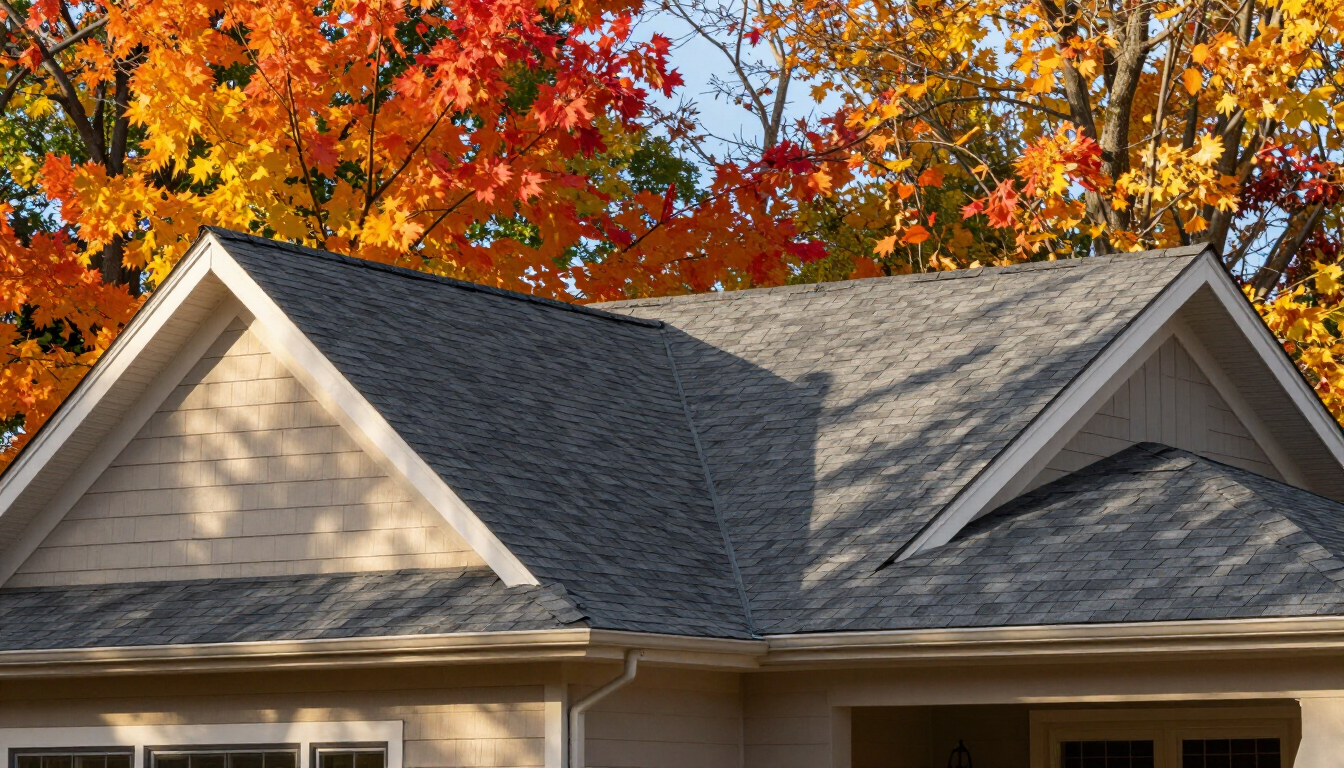
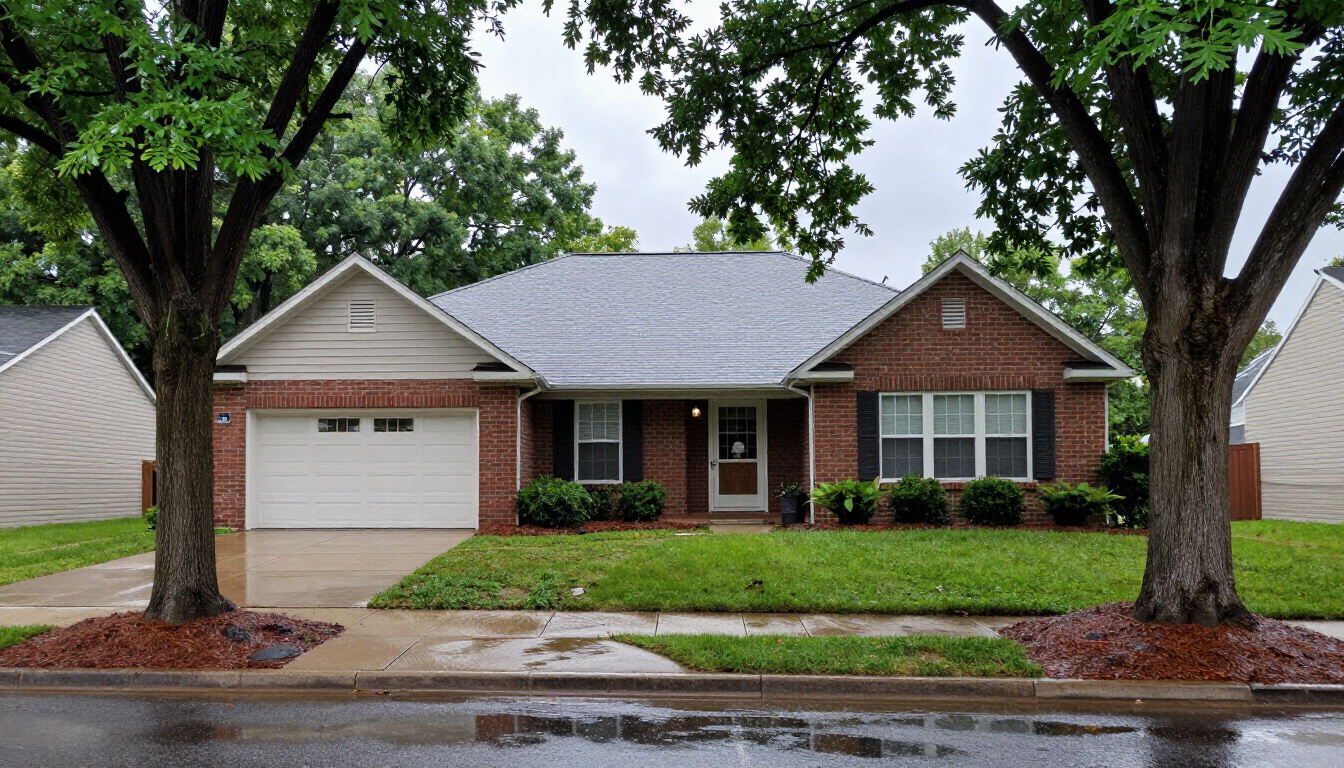
Curb appeal is often discussed in terms of landscaping and paint colors, but in St. Louis, the roof occupies a massive percentage of a home’s visual profile. Because many of our local architectural styles feature prominent pitches, the roof is one of the first things a potential buyer sees as they pull up to the curb. If the shingles are discolored or showing signs of heavy granule loss, it creates an immediate negative impression that is hard to overcome, even with a beautiful interior.
During the summer months, the bright Missouri sun can be unforgiving. It highlights every imperfection, from uneven lines to patches where repairs were made using mismatched materials. A uniform, clean roof surface suggests a home that is tight, dry, and energy-efficient—a huge selling point when St. Louis humidity is at its peak. Sellers who take the time to ensure the roof looks its best from ground level often find that their homes spend less time on the market. It’s about building confidence before the buyer even steps through the front door.
What shows up in a buyer’s roof inspection report?
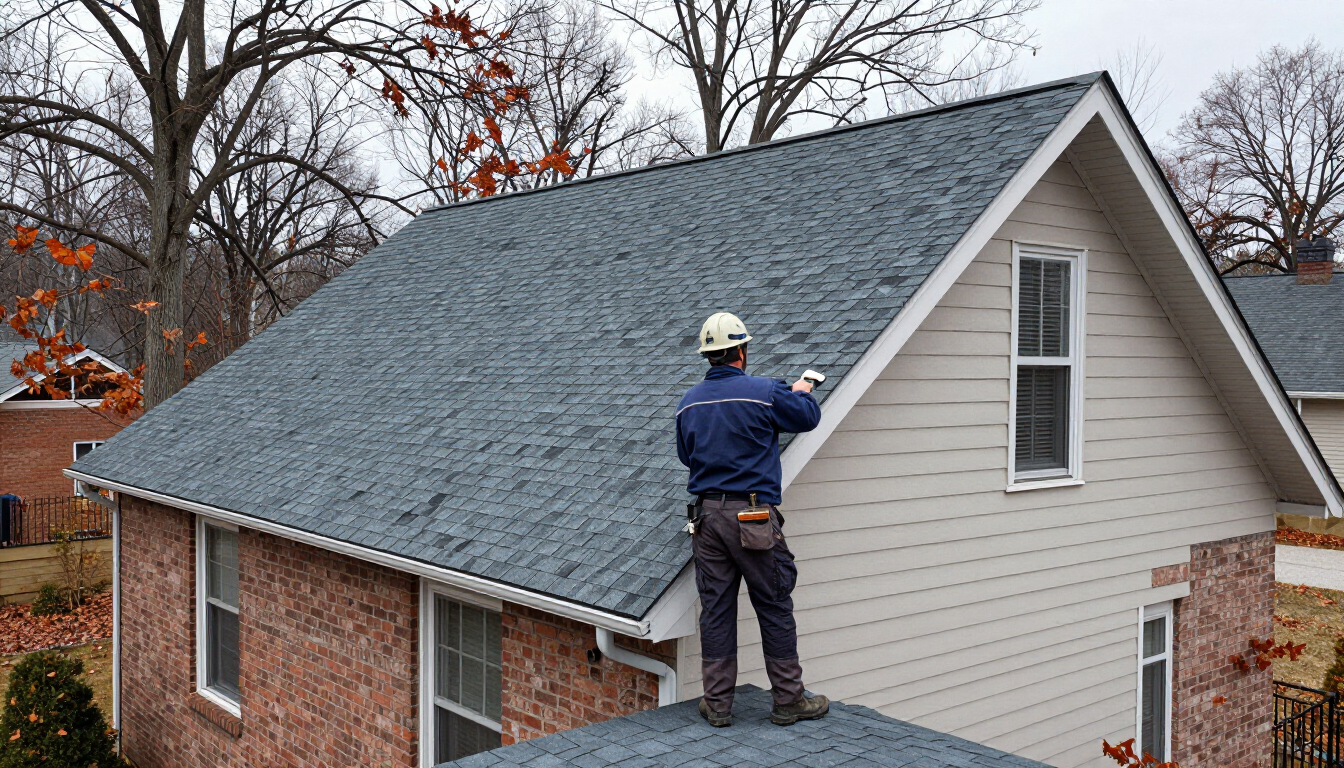
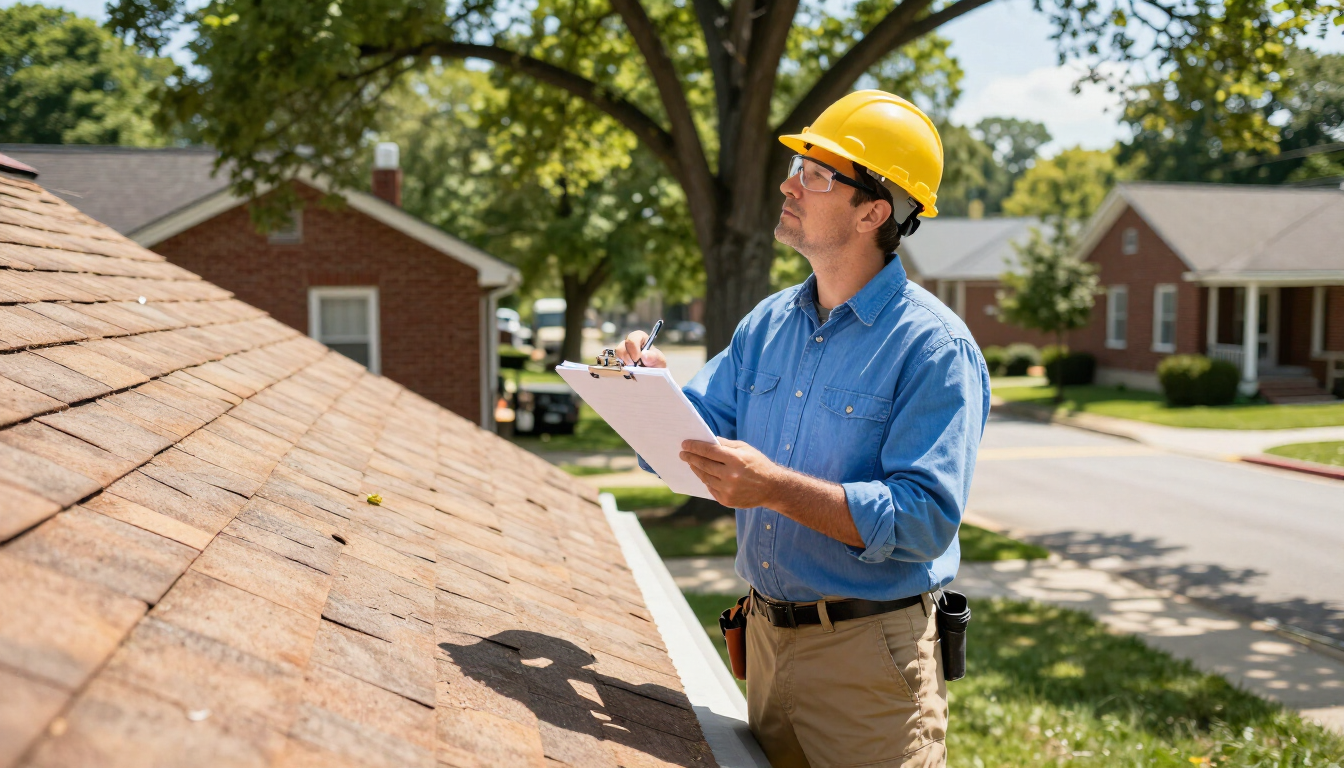
Once a home is under contract, the inspection phase begins. This is often the most stressful time for both parties. In St. Louis, home inspectors are trained to look for specific signs of wear that are common to our region. While they generally stay at ground level or use high-powered lenses, they are experts at spotting red flags that could indicate a need for professional roofing services. One of the most common findings is evidence of past storm damage, such as bruising from hail or creased shingles from high winds.
Inspectors will also look closely at the flashing around chimneys and vents. In our climate, the freeze-thaw cycles of winter followed by the intense heat of summer can cause these metal components to expand and contract, potentially breaking seals. They will also check for:
- Missing, cracked, or curling shingles visible from the yard.
- Excessive granule accumulation in the gutters or at the base of downspouts.
- Signs of sagging or unevenness along the ridgeline.
- Growth of organic matter like moss or algae in shaded areas.
- Improperly installed or damaged drip edges.
It is important to remember that an inspector’s job is to identify potential risks, not to provide a definitive diagnosis or a quote for repairs. They provide a snapshot of the roof’s current state. If the report comes back with several "marginal" or "defective" ratings for the roof, the buyer will almost certainly request a follow-up assessment from a specialized contractor. This is why being proactive as a seller is so valuable—you don't want the buyer's inspector to be the one discovering these issues for the first time.
The Difference Between Repair and Replacement Conversations
When a roof issue is identified during a sale, the conversation usually splits into two categories: repair or replacement. This is a critical junction in negotiations. A repair conversation usually involves addressing localized issues, such as a few damaged shingles or a minor flashing leak. These are often seen as maintenance items that a seller can handle quickly to keep the deal moving forward. In many cases, a simple repair can satisfy the buyer’s concerns and the lender’s requirements.
However, a replacement conversation is much more significant. If the roof shows widespread wear or has suffered extensive damage, the buyer may ask for a full replacement or a significant price credit. In St. Louis, where storm restoration is a frequent topic of conversation, buyers are often savvy about the age and condition of roofing systems. They know that a roof nearing the end of its functional life is a major upcoming expense, and they will want that reflected in the sale price. Sellers need to decide whether it is better to replace the roof themselves—potentially increasing the home's value—or offer a credit and let the buyer handle it after closing. Both paths have pros and cons, and the right choice often depends on the urgency of the move and the current local market conditions.
Why should you get an independent assessment before listing?
One of the smartest moves a St. Louis homeowner can make before putting their house on the market is to schedule an independent assessment. By having a professional roofing team look at the system from the ground and attic, you gain a clear understanding of what a buyer’s inspector might find. This removes the element of surprise and puts you in the driver’s seat of the transaction. If there are minor issues, you can choose to address them on your own terms rather than under the pressure of a closing deadline.
An independent assessment provides you with a professional perspective that you can share with potential buyers. It shows that you have been diligent in maintaining the property and that you are transparent about its condition. This level of honesty builds immense trust. In a situation where two similar homes are for sale in the same neighborhood, the one with a documented, clean bill of health for the roof will almost always be the preferred choice. It eliminates one of the biggest "unknowns" for the buyer, making their decision much easier.
Furthermore, if your roof is in great shape, an assessment confirms that fact. You can use that information as a selling point. "Roof inspected and verified in good condition" is a powerful line in a listing description. It tells buyers that they won't have to worry about leaks or major repairs for the foreseeable future, which is a significant value add in the St. Louis summer market where heavy thunderstorms are a weekly occurrence.
Documenting Past Roof Work for a Smoother Closing
In real estate, paper trails are your best friend. If you have had work done on your roof—whether it was a minor repair or a full-scale project—having the documentation ready is essential. This includes receipts, permits, and any transferable paperwork related to the materials used. Buyers in St. Louis are increasingly asking for these records to verify that the work was done by a reputable company and that all local building codes were followed.
When you can present a folder of well-organized documentation, it signals to the buyer that the home has been professionally managed. It also helps during the appraisal process. Appraisers look for upgrades and maintenance that justify the home’s valuation. Showing that you have invested in the construction and upkeep of your roof can help support a higher asking price. It’s not just about the physical shingles; it’s about the proof that the work was done right.
How do roof negotiations differ for buyers and sellers?
Negotiations regarding the roof are a delicate dance. For the seller, the goal is to protect their net proceeds. They want to avoid unnecessary expenses while still ensuring the home is sellable. A seller might offer a home warranty or a small credit to cover minor roof wear, hoping to avoid the hassle of scheduling contractors before moving out. This is a common strategy in St. Louis when the roof is functional but not brand new.
For the buyer, the goal is to minimize post-closing risk. They are already stretching their budget for the down payment and moving costs, so the last thing they want is a major roof bill six months after moving in. Buyers will often push for repairs to be completed by the seller using licensed professionals. They want to see that the issue is fixed, not just "patched." Understanding these differing motivations is key to reaching a fair agreement. Both parties generally want the same thing—a successful transfer of the property—and a clear, honest assessment of the roof condition is the best way to get there.
Essential Summer Real Estate Considerations in Missouri
Selling a home during a St. Louis summer involves navigating heat waves and sudden downpours. The weather itself can affect how a roof is perceived. For example, after a heavy rain, a buyer might look for dampness in the attic or signs of poor drainage around the foundation. Ensuring that your gutters are clear and that your roof is shedding water correctly is vital during these months. It’s also a time when many roofing companies are at their busiest, so if you do need work done, scheduling it early is a must. Delaying a roof check-up until you have a contract in hand can lead to delays that might cost you the sale.
At Suntide Companies, we understand the local market and the specific challenges that St. Louis roofs face. We are here to help you navigate the complexities of roof condition during a home sale, providing the clarity you need to move forward with confidence. Whether you are buying your dream home or saying goodbye to a long-time residence, the state of the roof shouldn't be a mystery.
Summary: Key Takeaways for Your Sale
To ensure your St. Louis home sale goes smoothly this summer, keep these roof-related points in mind:
- Curb Appeal Matters: The visual condition of your roof from the ground level is a buyer's first impression of your home's maintenance.
- Be Proactive: Getting an independent assessment before you list can prevent surprises during the buyer's inspection phase.
- Documentation is Vital: Keep all records of repairs and professional work to build trust and support your home's valuation.
- Understand the Loan Requirements: A roof in poor condition can prevent a buyer from securing financing, stalling the sale.
- Negotiate Fairly: Whether it’s a repair credit or a pre-sale fix, clear communication about the roof's state is essential for a successful closing.
If you're preparing to list your home or are currently in the process of buying, don't leave the roof to chance. You can About our team's commitment to quality or simply reach out for a professional look at your property.
Ready to get started? Contact us today to schedule a roof inspection and ensure your home sale stays on track.