


5 Ways to Evaluate a St. Louis Roofing Contractor After a Storm
To evaluate a St. Louis roofing contractor after a storm, prioritize local presence, verify licensing and insurance, and demand a detailed written scope. Avoid high-pressure sales and ensure you receive clear documentation. A professional contractor facilitates a calm, transparent process focused on quality craftsmanship rather than urgent signatures.
Taking the time to research your options after a weather event is the most effective way to protect your home. In the St. Louis area, we often see a variety of weather patterns that can impact residential structures. When these events occur, the natural reaction is to find a solution as quickly as possible. However, the most successful restoration projects are those built on a foundation of thorough evaluation and mutual trust between the homeowner and the service provider.
Evaluating a roofing professional should be a methodical process. It is not just about who can get there first, but who has the established roots and professional standards to ensure the work lasts for years to come. By focusing on specific criteria—such as local longevity, documentation, and communication—you can transform a stressful situation into a well-managed home improvement project.
Why is a local office important for post-storm repairs?
One of the first things a St. Louis homeowner should look for is a genuine local presence. A local contractor is more than just a company with a temporary mailing address; they are members of the community who understand the specific architectural styles and climate challenges of our region. From the historic brick homes in South City to the sprawling residences in West County, St. Louis roofing needs are diverse. A local team understands these nuances and is familiar with the local building codes that vary from one municipality to another.
Working with someone established in the area provides a level of accountability that is hard to match. If you have questions six months after the project is completed, you want to know that your contractor is still just a phone call away and located within driving distance. Local companies rely heavily on their reputation within the community. They are invested in the long-term health of the neighborhoods they serve because their business grows through word-of-mouth and local reliability.
Furthermore, a local residential roofing expert will have established relationships with local suppliers. This can often lead to better communication regarding material availability and delivery timelines. When a contractor is truly local, they aren't just here for the storm; they are here for the community. This presence offers peace of mind that the company will stand behind their craftsmanship long after the clouds have cleared and the sun is out again.
The Significance of a Detailed Written Scope
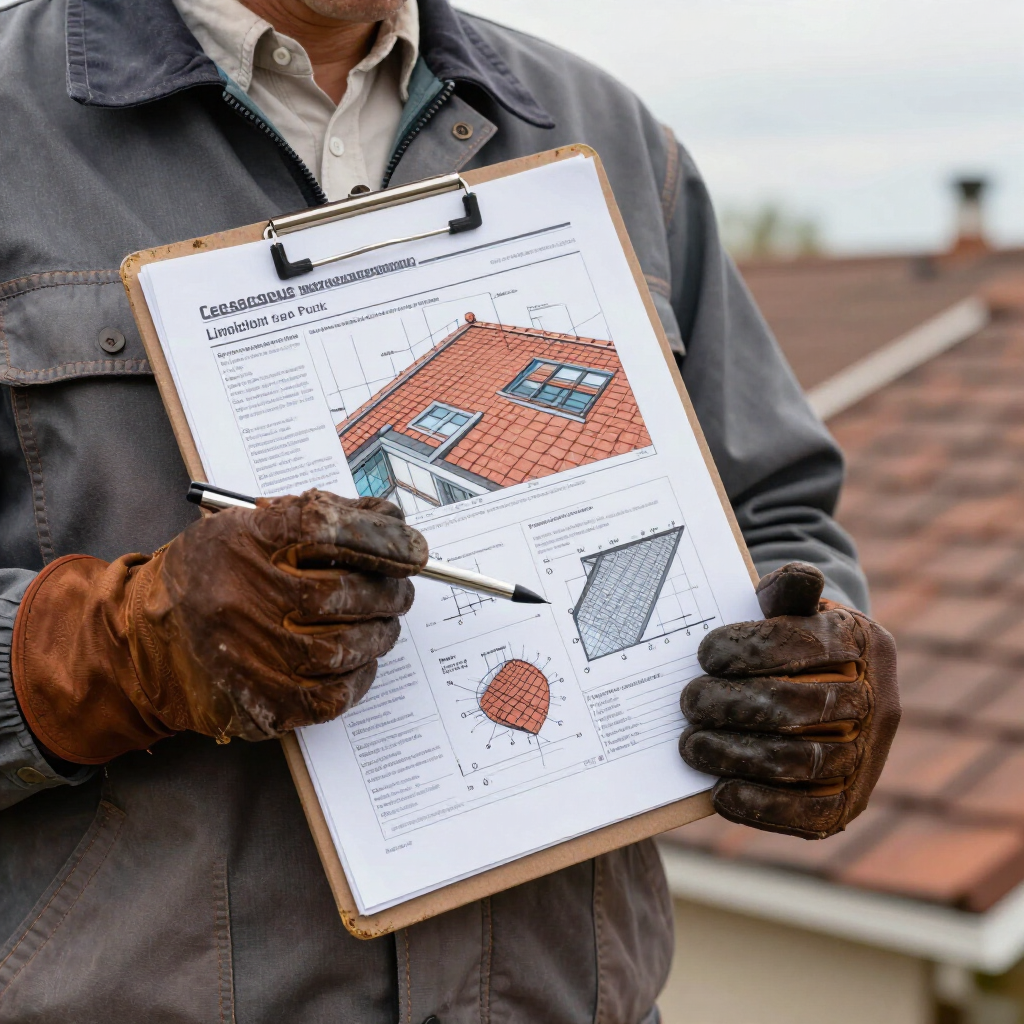
When you begin the evaluation process, the level of detail provided in the initial documentation is a major indicator of a contractor's professionalism. A vague estimate that only lists a total price or a general description of "roof repair" is often a red flag. Instead, look for a comprehensive written scope of work. This document should outline exactly what is being addressed, the types of materials being used, and the specific areas of the structure that will be involved in the project.
A detailed scope protects both the homeowner and the contractor. It ensures that everyone is on the same page regarding the project's goals. For example, the scope should specify the type of underlayment, the brand and style of shingles, and how the ventilation system will be handled. It should also include details about the removal of old materials and the steps taken to protect your property during the process. Transparency in these details shows that the contractor has taken the time to thoroughly assess the situation and plan a proper solution.
Beyond the technical details, the written scope should reflect a calm and organized approach. It should be presented in a way that is easy to understand, allowing you to review it at your own pace. If a contractor takes the time to explain the "why" behind each item in the scope, it demonstrates a commitment to education and service. This level of clarity is essential in restoration work, where the goal is to return your home to its optimal condition with precision and care.
What documentation should a roofing contractor provide?
Before any work begins, a professional contractor should be willing and able to provide a specific set of documents. This isn't just about red tape; it's about verifying the legitimacy and stability of the business you are trusting with your home. A homeowner should never feel hesitant to ask for these items, and a reputable company will usually have them ready to share.
- A current business license for the relevant St. Louis jurisdictions.
- A Certificate of Insurance (COI) showing both liability and workers' compensation coverage.
- Manufacturer certifications that demonstrate the team is trained to install specific products.
- A detailed written contract that includes start dates, completion estimates, and warranty information.
- References from recent local projects to verify the quality of their recent work.
Receiving these documents allows you to perform your own due diligence. You can verify the insurance coverage by calling the agency listed on the certificate, ensuring that the policy is active and provides adequate protection for your property. Similarly, checking local references gives you a glimpse into the actual customer experience. These steps might take a little extra time, but they are vital for a calm and confident decision-making process. Documentation is the evidence of a contractor's commitment to professional standards and legal compliance.
What questions verify a contractor's licensing and insurance?
Verifying a contractor's credentials requires asking the right questions. It is not enough to simply ask, "Are you insured?" Most people will say yes. Instead, dig a little deeper to understand the scope of their protection. You might ask, "Can you provide a certificate of insurance that names me as the certificate holder?" or "Does your insurance cover both general liability and workers' compensation for everyone on my property?" These questions show that you are an informed homeowner who values safety and professional ethics.
Licensing is another area where specifics matter. In the St. Louis region, licensing requirements can vary between the City and the County, as well as individual municipalities. Ask the contractor, "Which specific local licenses do you hold, and are they current for my specific area?" A professional will be able to explain exactly how they comply with local regulations. This conversation is a great opportunity to gauge the contractor's communication style. If they answer calmly and provide clear proof, it builds a foundation of trust.
Insurance and licensing are about risk management. By ensuring your contractor is fully covered and legally authorized to work, you are protecting your financial interests and your home. A reputable construction partner views these requirements as the bare minimum for doing business. They invest in these protections because they care about their employees and their clients. If a contractor seems defensive or vague when asked about these items, it may be a sign to continue your search elsewhere.
How do I know if a contractor is rushing the process?
One of the most important things to remember after a storm is that you have the right to take your time. You should never feel pressured to sign a contract on the spot or make a snap decision. Professional contractors understand that a new roof or a major restoration project is a significant investment. They will provide you with the information you need and then give you the space to process it, talk it over with your family, and compare your options.
Signs of rushing often include high-pressure sales tactics, such as "limited-time offers" that expire the moment the representative leaves your home, or insistence that you must sign immediately to get on their schedule. While scheduling is important, a quality contractor will work with you to find a timeline that fits your needs without using it as a leverage tool. If the conversation feels more like a sales pitch than a professional consultation, trust your instincts. A calm, consultative approach is a hallmark of a contractor who values quality over volume.
Taking your time allows you to review the scope of work, verify the documentation, and ensure you are comfortable with the team that will be working on your home. It also gives you the chance to ask follow-up questions. A contractor who is confident in their work and their reputation won't mind waiting a few days while you make an informed choice. Remember, the goal is a long-lasting, high-quality result, and that starts with a decision made in a state of calm, not urgency.
Finalizing Your Decision With Confidence
Evaluating a St. Louis roofing contractor after storm damage is a process that rewards patience and attention to detail. By focusing on local presence, demanding clear documentation, and refusing to be rushed, you ensure that your home restoration is handled with the care it deserves. The right contractor will act as a partner, providing a detailed written scope and answering your questions about licensing and insurance with transparency and professionalism.
When you are ready to move forward, you should feel confident that you have chosen a team that understands the St. Louis landscape and is committed to quality craftsmanship. This methodical approach leads to better outcomes and a smoother experience from start to finish. If you have any further questions or would like to discuss your specific needs, feel free to contact a local professional who values your time and your property's long-term health.
Key Takeaways for Homeowners
- Prioritize Local Roots : Choose a contractor with a permanent St. Louis presence for better accountability and local code knowledge.
- Demand Detailed Documentation : Always verify current insurance, licensing, and a specific written scope of work before signing.
- Avoid the Rush : Never sign a contract under pressure; professional contractors will give you the time needed to make an informed decision.
- Verify Credentials : Check references and call insurance providers to confirm that the coverage is active and comprehensive.
- Focus on Communication : A contractor who explains the restoration process calmly and clearly is likely to provide a better overall experience.