

5 Ways to Prevent Ice Dams in St. Louis
Ice dams form when heat escapes into a cold attic, melting snow on the roof. Water then refreezes at the colder eaves, creating a barrier that can force moisture beneath shingles. To prevent ice dams, address attic warmth, insulation, ventilation, and roof drainage before St. Louis winter weather arrives.
How do ice dams form?
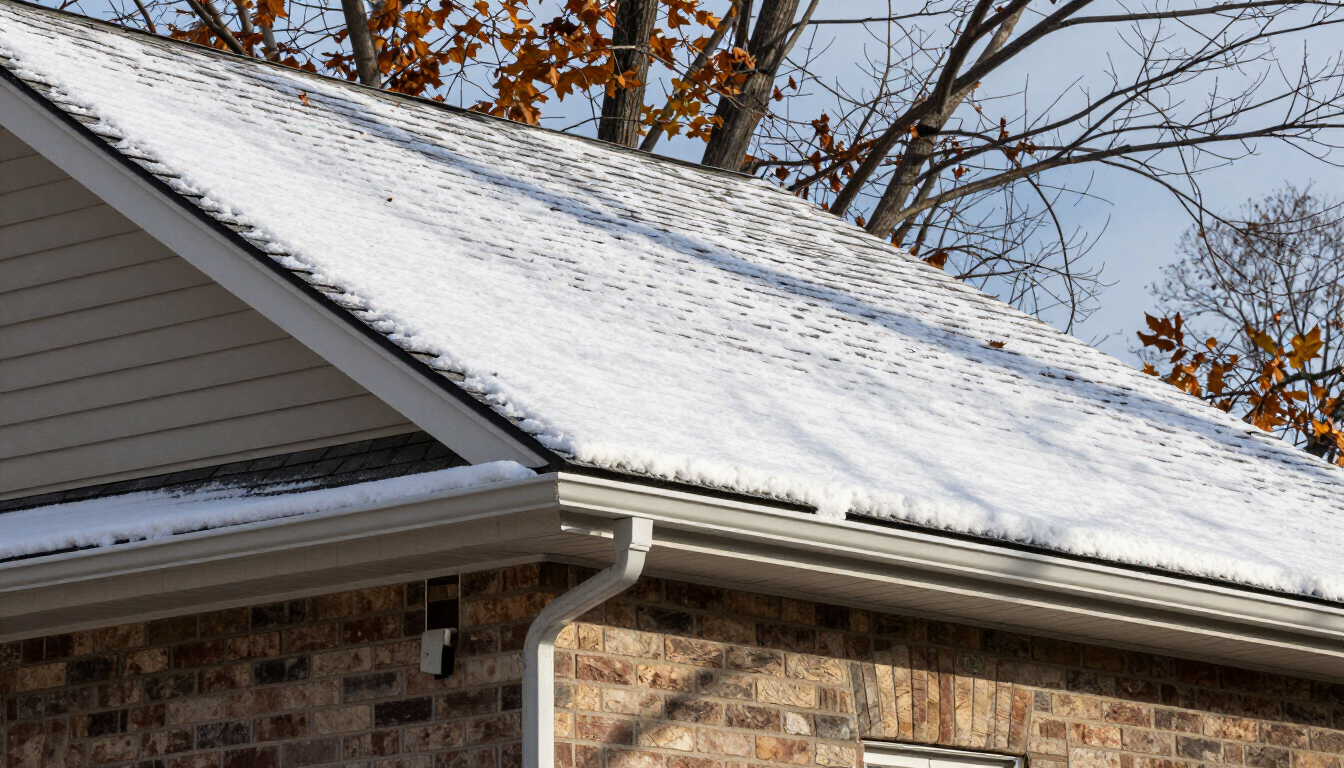
Ice dams are a freeze-thaw problem. Snow rests on a cold roof while heat from the living space warms the underside of the roof deck. That warmth melts some of the snow, and the water runs toward the eaves.
The eaves are usually colder because they extend beyond the heated part of the home. When the meltwater reaches that colder edge, it freezes. As the cycle repeats, ice builds into a dam. New meltwater can collect behind it instead of flowing into the gutters and away from the house.
Several conditions can make this more likely:
- Warm attic air escaping through gaps around the ceiling, lights, wiring, or ductwork
- Insulation problems that allow heat to reach the roof deck
- Inadequate attic ventilation that cannot release warm, moist air
- Snow followed by daytime warming and nighttime freezing
- Gutters or downspouts blocked by leaves, debris, or existing ice
St. Louis weather can shift quickly between freezing nights and warmer afternoons, making freeze-thaw cycling an important winter roof concern.
What are the warning signs of an ice dam?
You may notice signs from the ground or inside your home without climbing a ladder or walking on the roof. Watch for:
- Heavy icicles concentrated along the eaves
- A thick, uneven band of ice at the roof edge
- Water stains or discoloration on ceilings and upper walls
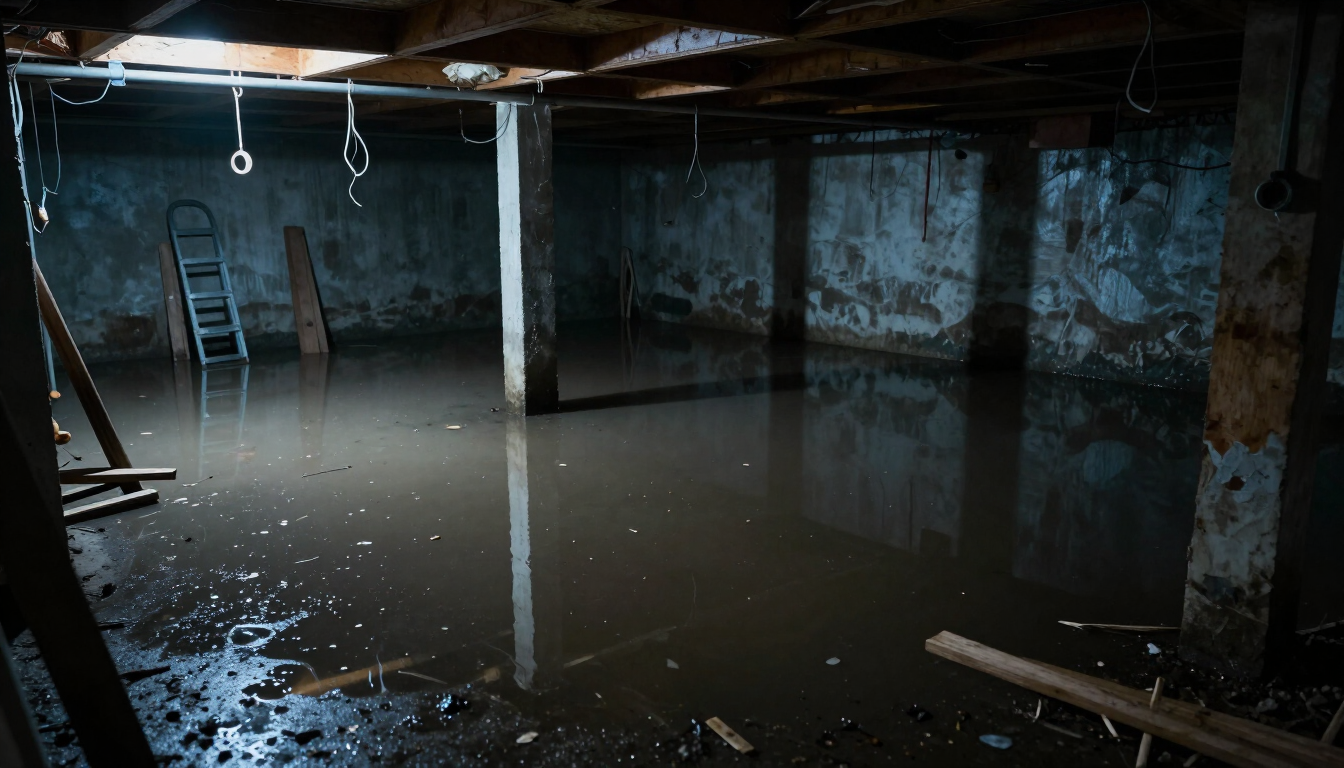
- Damp insulation, musty odors, or moisture in the attic
- Peeling paint or damaged trim near exterior walls
Icicles do not always mean an ice dam is present. However, unusually large or repeated icicles deserve attention, especially when they appear alongside indoor staining or signs of moisture.
If you see a new ceiling stain during winter, do not assume it will dry without consequences. Moisture can damage insulation, drywall, framing, paint, and personal belongings. A professional evaluation can help identify whether the source is an ice dam, a roof defect, or another leak.
How can you prevent ice dams before winter?
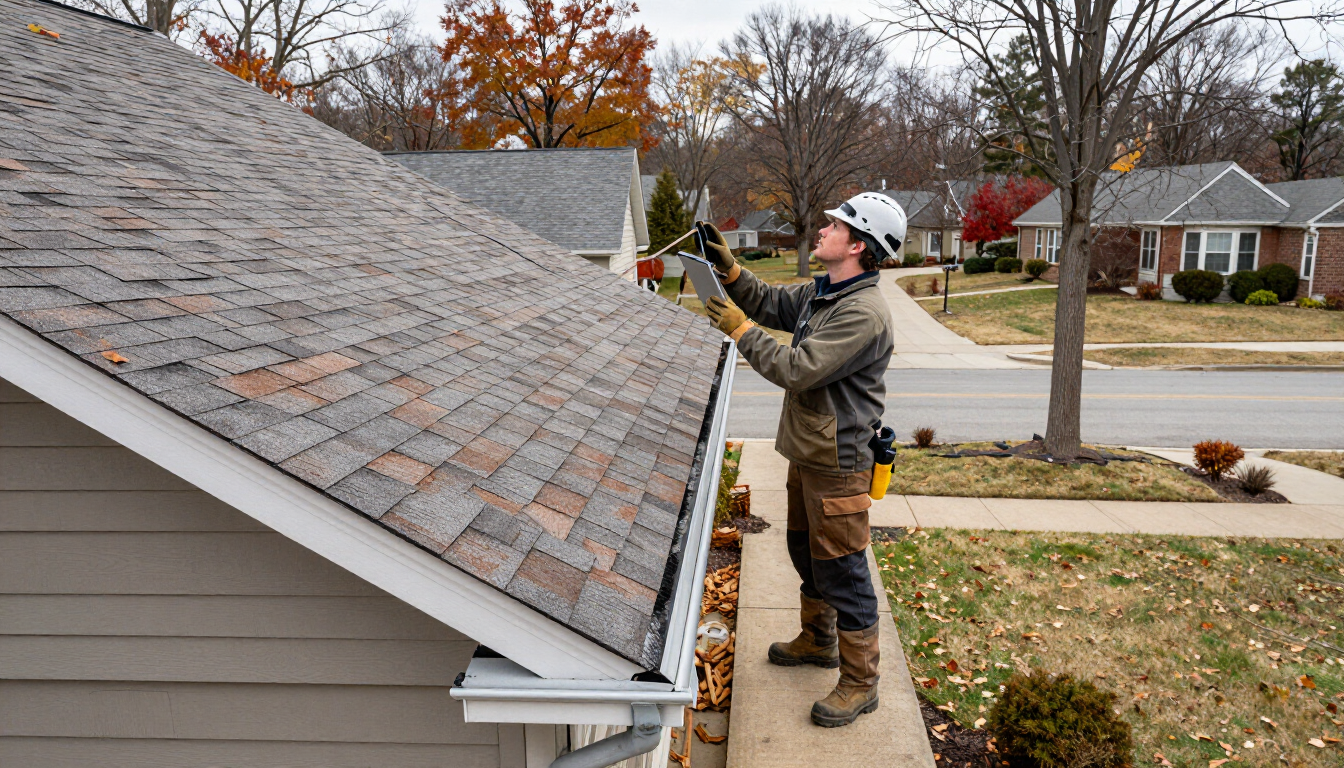
The most effective prevention happens before snow arrives. A fall inspection can identify conditions that encourage melting and refreezing, including roof wear, blocked drainage, attic airflow concerns, and areas where indoor heat may be escaping.
1. Check attic insulation and air leakage
Insulation helps slow heat transfer between the home and attic, but it works best when the attic floor is properly sealed. Small openings around fixtures, pipes, wiring, and access panels can allow warm indoor air to rise.
A roofing or construction professional can look for signs of heat loss and recommend appropriate corrections. The goal is to keep the roof deck colder and more consistent during snowy weather.
2. Review attic ventilation
Ventilation helps move warm, humid attic air outdoors. When airflow is restricted or poorly balanced, heat and moisture can collect beneath the roof.
Ventilation should be evaluated as part of the whole roof system rather than treated as a quick add-on. Existing vents may be blocked, damaged, or unable to support consistent airflow.
3. Keep gutters and downspouts clear
Clear drainage gives meltwater a better path away from the roof. Before winter, remove leaves and debris from gutters and confirm that downspouts direct water away from the foundation.
Never climb onto a roof or ladder to inspect or clean these areas in unsafe conditions. If access is difficult, arrange professional maintenance instead.
4. Inspect the roof before snow arrives
Missing or damaged shingles, worn flashing, and open seams can make a moisture problem worse. A seasonal inspection can find vulnerable areas while repairs are easier to plan.
Suntide Companies provides roofing services for homeowners who want to evaluate roof condition and prepare for changing weather. For broader storm-related concerns, explore residential restoration .
What should homeowners do when an ice dam appears?
Do not climb onto the roof, use a ladder, chip at the ice, or try to remove an ice dam yourself. These actions can cause falls, damage shingles, and worsen water intrusion.
Instead, consider these safer steps:
- Look for indoor stains, dripping, or damp areas from inside the home
- Move furniture or belongings away from visible leaks
- Photograph affected areas for your records
- Contact a qualified roofing professional for an evaluation
- Address the underlying attic, ventilation, insulation, or drainage issue
Temporary winter conditions may change, but the cause still needs attention. Repeated ice dams often point to a building-system problem rather than a one-time weather event.
Why fall roof maintenance matters
A fall inspection gives you time to address small concerns before snow, ice, and freeze-thaw cycling make them harder to manage. It can also help you understand whether the roof, attic, gutters, and ventilation are working together as they should.
Frequently asked questions
Can new insulation alone prevent ice dams?
Not always. Insulation may help reduce heat transfer, but air sealing, ventilation, roof condition, and drainage also matter. A professional should evaluate the complete system.
Are large icicles proof of an ice dam?
No. Large icicles can have several causes, but they may indicate uneven roof temperatures or drainage concerns. Look for accompanying ice buildup, indoor stains, or moisture.
Should I remove snow from my roof?
Do not climb onto the roof or use a ladder to remove snow yourself. Contact a qualified professional if snow load or ice buildup concerns you.
Schedule a fall roof inspection
To prevent ice dams, focus on the conditions that create them: warm attic air, insufficient insulation or ventilation, and restricted drainage. Watch for heavy eaveside ice and indoor moisture, but never climb a roof or ladder to investigate or remove ice. A professional fall inspection can identify concerns before winter weather arrives. When you are ready to evaluate your home’s roof and prepare for St. Louis freeze-thaw cycles, contact Suntide Companies to schedule an inspection.