
How to Build a Commercial Disaster Restoration Plan
A commercial disaster restoration plan is a proactive strategic document that outlines specific recovery steps for a facility following a loss. It centers on documenting building systems, identifying key decision-makers, and prioritizing operational areas to ensure an organized response, allowing recovery efforts to begin immediately without the confusion of initial assessment delays.
Why build a commercial disaster restoration plan before a loss?
For a facility or operations lead in St. Louis, the environment is often defined by its unpredictability. Whether it is a sudden heavy storm or an internal mechanical failure, the moment a crisis occurs is not the time to begin figuring out how to handle it. Building a plan during "blue sky" days—times when everything is operating smoothly—allows you to make rational, strategic decisions without the pressure of an active emergency. This proactive approach transforms a chaotic situation into a managed process. Instead of reacting to damage, your team is simply executing a pre-set script designed to protect the physical assets and the functional integrity of your business.
Planning before a loss is less about predicting the future and more about organizing the present. When you have a clear roadmap, you eliminate the cognitive load that comes with emergency management. You aren't searching for phone numbers or wondering where the main water valve is located while water is actively entering your workspace. By establishing these protocols early, you ensure that every minute following an incident is spent on active recovery. This level of preparation is a hallmark of professional facility management, providing peace of mind to stakeholders and a clear path forward for the staff who maintain the building daily.
Furthermore, a pre-loss plan fosters a culture of safety and readiness within the organization. When employees and department heads know there is a structured response ready to go, it reduces anxiety and improves overall workplace morale. It also demonstrates a high level of corporate responsibility. In St. Louis, where local businesses are the backbone of the community, maintaining operations through restoration services and careful planning is vital for local economic stability. By treating restoration planning as a standard part of business continuity, you treat your facility as the valuable asset it truly is.
What building systems and shutoffs should you document?
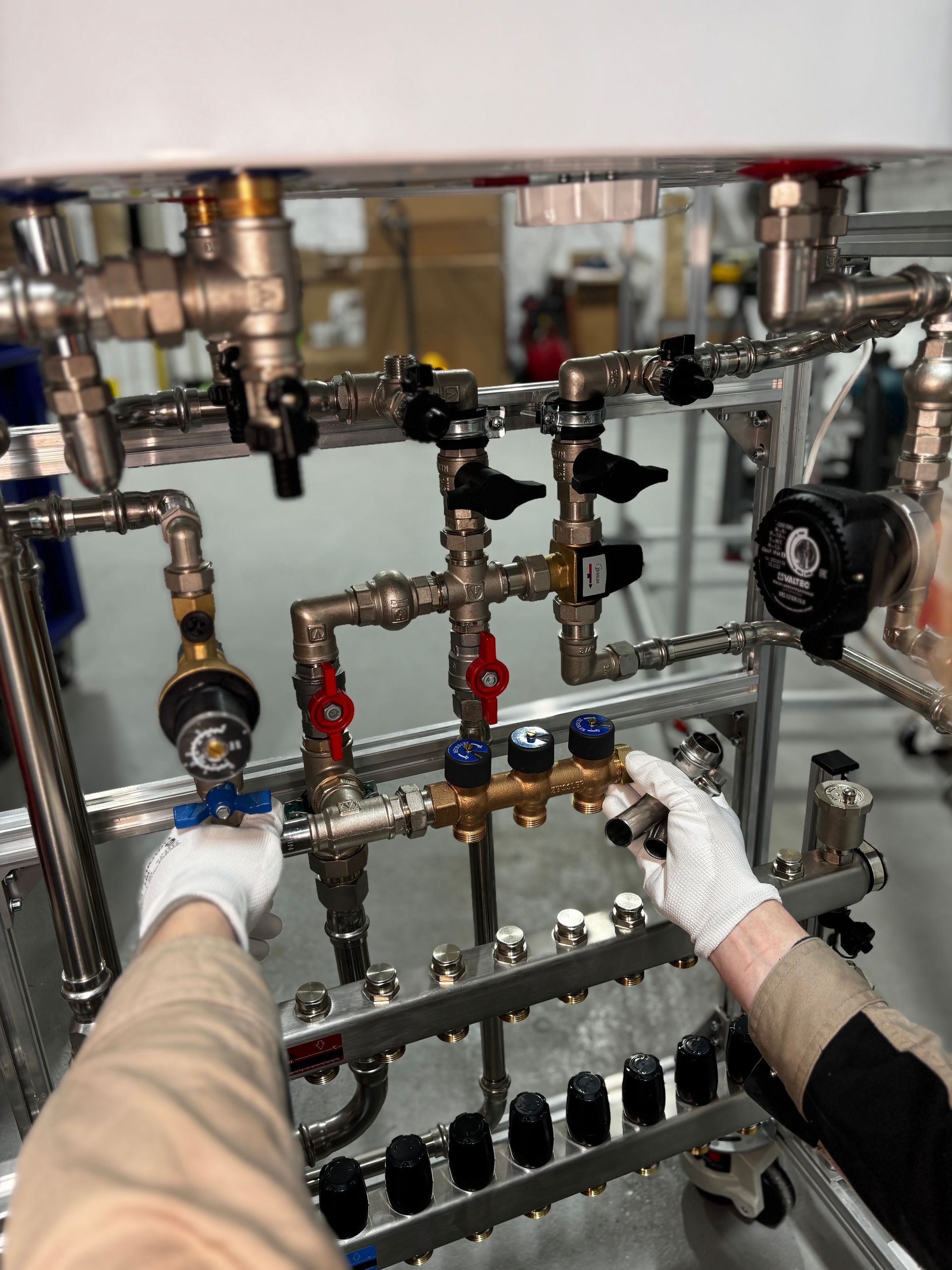
One of the most critical components of a commercial disaster restoration plan is the detailed mapping of your building’s mechanical and structural systems. When a professional team arrives on-site, their efficiency depends largely on how quickly they can access and control these systems. In large commercial properties, locating a specific shutoff valve or electrical sub-panel can be like finding a needle in a haystack if the information isn't readily available. Your plan should act as a comprehensive guide to the "circulatory system" of your building.
Start with the basics of water and gas. You should have clear, photographed locations for every main water shutoff, as well as secondary valves for specific floors or zones. In the event of a pipe burst, every second that water flows increases the scope of the commercial roofing or interior damage. Similarly, gas shutoff locations must be identified and accessible to prevent secondary hazards. Documentation should include:
- Main water shutoff locations and required tools for operation.
- Electrical panel schedules and main breaker locations.
- Natural gas main valves and individual unit shutoffs.
- HVAC control systems and emergency power-down sequences.
- Fire suppression system controls and alarm reset procedures.
Naming Key Decision Makers and Responsibilities
When a restoration event occurs, communication is often the first thing to break down. A well-constructed plan clearly identifies who has the authority to make critical decisions. This isn't just about listing names; it’s about defining roles. If the facility lead is off-site, who is the secondary contact? Who has the authority to authorize work to begin? By naming these individuals and their backups, you remove the bottleneck of waiting for approvals during the critical early stages of a project.
These decision-makers should also be tasked with specific communication channels. One person might be responsible for notifying employees about building closures, while another coordinates with the restoration provider. This division of labor ensures that no single person is overwhelmed and that all stakeholders receive timely, accurate information. It is also beneficial to include IT leads in this group, as they will need to oversee the protection and recovery of servers and digital infrastructure, which are often the lifeblood of modern St. Louis enterprises. Clear leadership during a crisis is the bridge between disaster and recovery.
How do you prioritize critical areas in your facility?
Not all square footage in a commercial building is created equal. In the wake of a loss, a facility manager must decide where to focus resources first. This is known as area prioritization, and it is a core element of any business continuity strategy. For instance, a data center or a specialized laboratory likely requires a different level of immediate environmental control than a general employee breakroom or a storage closet. Your plan should include a ranked list of zones within the building based on their impact on daily operations.
Consider the "domino effect" of your facility. If one area is compromised, does it shut down the rest of the building? A manufacturing line or a server room usually sits at the top of the priority list because without them, work stops entirely. Public-facing areas like lobbies or retail storefronts might be next, as they affect the brand's image and customer access. By pre-identifying these zones, you allow the restoration team to deploy equipment and labor where it will do the most good first. This strategic deployment is only possible if you have thought through your operational dependencies long before a pipe ever leaks or a storm ever blows through the region.
Establishing Pre-Loss Restoration Partnerships
Perhaps the most overlooked aspect of a disaster plan is the relationship with the restoration provider itself. Waiting until a disaster happens to find a contractor is a risky strategy. In St. Louis, when a major weather event hits, local resources can become stretched thin. By pre-establishing a contact and integrating them into your planning phase, you move to the front of the line. This partnership means the restoration team already knows your building’s layout, your priorities, and your key personnel before they ever step through the door.
This pre-loss relationship allows for a much smoother handoff. You aren't just calling a stranger; you are calling a partner who has a copy of your plan on file. They know where the water shutoffs are, they know which rooms are high-priority, and they know exactly who to talk to for authorization. This familiarity removes the "getting to know you" phase that usually accompanies the start of a project, allowing the physical work of drying, cleaning, or repairing to begin without delay. It is about creating a seamless extension of your own facility management team.
Summary of Commercial Disaster Recovery Planning
A commercial disaster restoration plan is your facility's best defense against the unexpected. By documenting your building's vital systems, establishing a clear hierarchy of decision-makers, and prioritizing your most critical operational zones, you create a structured path to recovery. This proactive approach ensures that if a loss occurs, your team is ready to respond with precision rather than panic. St. Louis facility leads who invest time in these plans today are the ones who successfully navigate the challenges of tomorrow. Consider these core takeaways for your plan:
- Document all major utility shutoffs with photos and clear instructions.
- Define a chain of command with primary and secondary decision-makers.
- Rank facility zones by operational importance to guide restoration efforts.
- Pre-establish a relationship with a trusted restoration partner for faster deployment.
- Review and update your plan annually to reflect building or staff changes.
Ready to ensure your facility is prepared for anything? Contact us today to start building your custom commercial restoration plan and protect your St. Louis business.