5 Steps: Handling a St. Louis Basement Flood Safely

August 10, 2026

Share this article

If storm water enters your St. Louis basement, prioritize safety by avoiding standing water near electrical sources. Immediately turn off water at the main valve if safe, document the damage with photos for insurance, and contact a professional restoration service for extraction to prevent long-term structural issues.

Is it safe to enter a flooded basement?

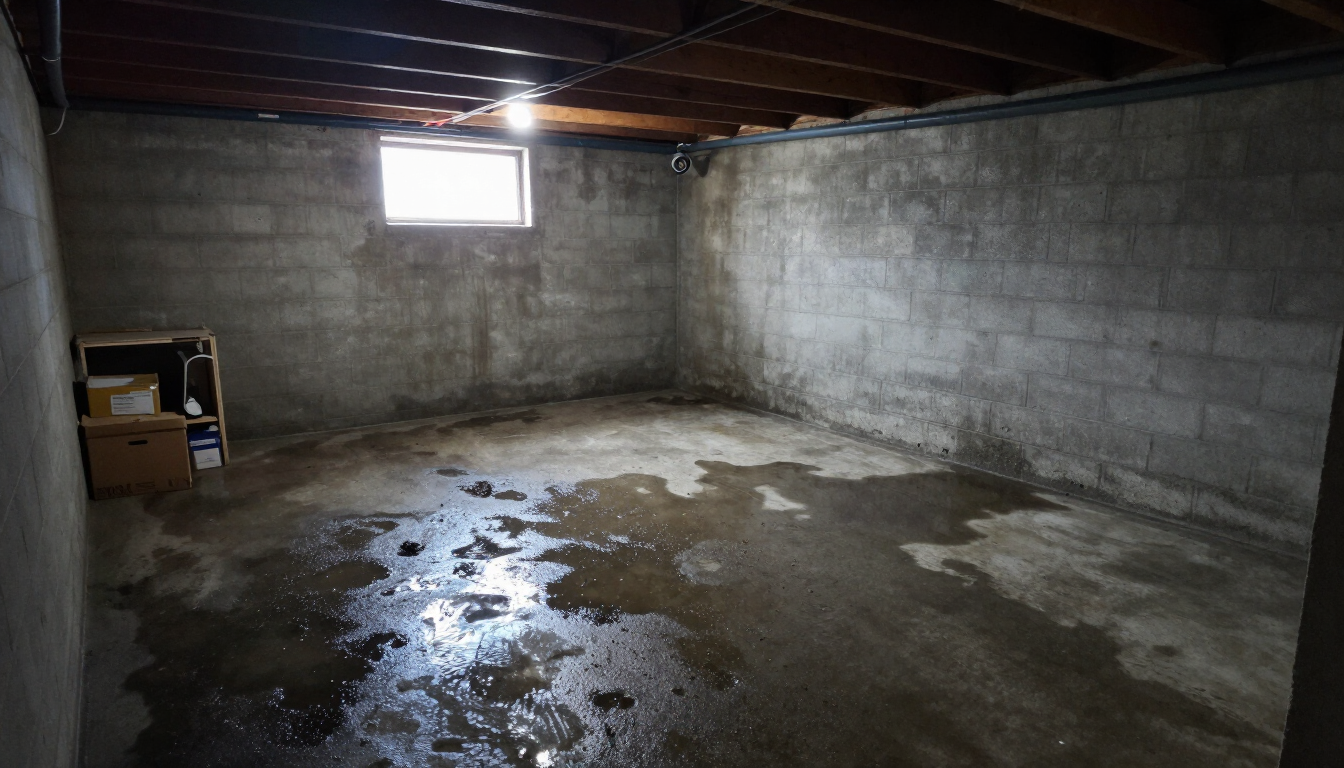
When a sudden St. Louis summer storm sends a deluge of water into your lower level, your first instinct might be to rush in and start saving your belongings. However, the most critical thing to understand during an active loss is that a flooded basement can be a death trap if not approached with extreme caution. The presence of water in an area designed for utility and storage introduces two primary hazards: electricity and structural instability.

Before you even think about stepping onto that bottom stair, you must assess the environment from a dry, elevated position. If the water level has risen high enough to reach electrical outlets, baseboard heaters, or your circuit breaker panel, the water is likely energized. In a city like St. Louis, where many homes have older electrical systems, the risk of stray voltage is significantly higher. Do not assume that because the lights are out, the water is safe. Power could surge back at any moment, or a neighboring line could be back-feeding into your system.

Beyond the electrical risks, consider the structural integrity of your home. Large volumes of water pressing against foundation walls from the outside (hydrostatic pressure) can cause walls to buckle or collapse inward. If you see any new cracks, shifting, or bowing in the basement walls, stay out. The safety of you and your family is worth far more than any piece of furniture or old photo album.

Safety assessment of a flooded basement

How do I handle electrical hazards during a flood?

The combination of water and electricity is the single most dangerous aspect of a basement flood. In St. Louis, summer storms are often accompanied by high winds that can knock down power lines. If you see downed lines anywhere near your property, do not approach the water in your basement. These lines can energize the ground and the water inside your home from a distance.

If the water is not yet touching outlets or the electrical panel, and you can reach your home’s main breaker box from a completely dry location, you may attempt to shut off the power to the basement circuits. However, if you have to walk through any amount of standing water to reach the panel, do not do it . You should instead contact your utility provider to request a remote power shut-off or wait for a professional restoration team to arrive with the proper protective gear and voltage testing equipment.

Never use standard household appliances, such as a plug-in shop vacuum or a regular fan, while standing in or near the water. These devices are not designed for wet-field operations and can cause a fatal shock. At Suntide Companies , we emphasize that professional-grade equipment is necessary for a reason—it is built to handle these extreme conditions safely.

Where is the main water shut-off valve located?

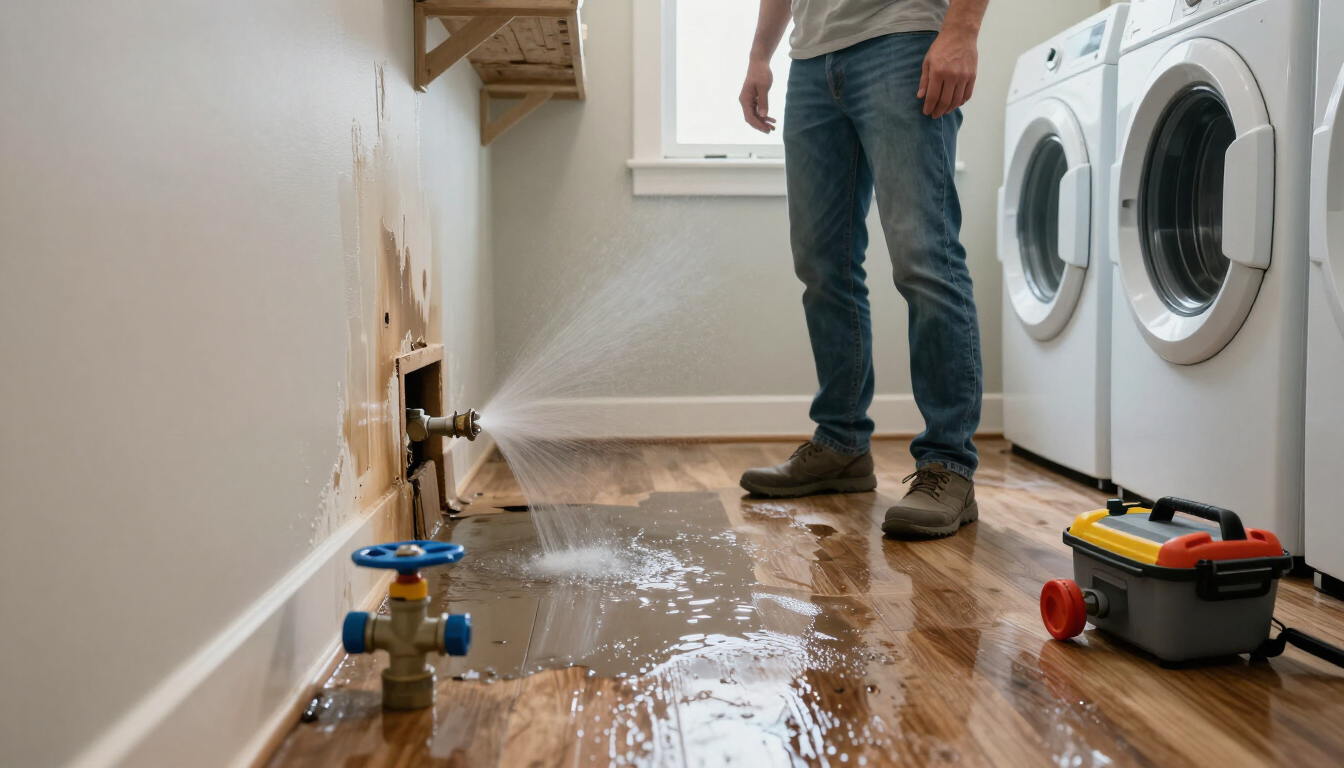
If the flooding in your basement isn't just from storm runoff but is being exacerbated by a burst pipe or a backed-up sewer line, you need to stop the flow at the source. Most St. Louis homes have a main water shut-off valve located near the front of the foundation or where the main water line enters the house.

Stopping the water at the source is a priority, but only if you can do so safely. If the valve is submerged in the flooded area, it is off-limits to you. If the valve is in a dry part of the house, turn it clockwise until it is fully closed. This simple action can prevent hundreds of gallons of additional water from compounding the damage while you wait for a restoration team to arrive.

If you suspect the water is coming from a sewer backup, avoid using any toilets, sinks, or showers in the upper levels of the house. Any water you send down the drain will only end up in your basement, potentially introducing hazardous pathogens and bacteria into the environment.

Why should you document the damage immediately?

Once you have ensured that everyone is safe and the immediate hazards are identified, your next task is documentation. For insurance purposes, the "active loss" phase is when the most compelling evidence exists. Before any water is extracted or items are moved, take clear, high-resolution photographs and videos of the entire scene.

  • Capture the high-water mark: Look for the line on the walls that shows how high the water reached at its peak.
  • Photograph the entry point: If you can see where the water is coming in (a window well, a crack in the floor, or a backup), document it.
  • Detail your belongings: Take photos of any major appliances (washers, dryers, water heaters) and personal items that have been submerged.
  • Exterior shots: Take photos of the outside of your home, including any standing water in the yard or downed trees that may have contributed to the issue.

This documentation is the foundation of your insurance claim. It provides proof of the extent of the damage before any mitigation begins. Avoid moving items around too much; keep the scene as

Recent Posts

A professional view of a well-maintained residential roof during the autumn season.
September 7, 2026
Discover what happens during a professional fall roof inspection. Learn how to spot issues from the ground and why pre-winter maintenance protects your home.

A St. Louis home after a storm showing the need for roof evaluation.
August 24, 2026
Learn how St. Louis homeowners can calmly evaluate roofing contractors after storm damage. Discover what documentation to ask for and why you shouldn't rush the process.

Modern commercial building in St. Louis showing architectural detail.
August 17, 2026
Learn what a commercial disaster restoration plan covers and why St. Louis facility leads should document systems and decision-makers before a loss.

A professional contractor holding a detailed technical roof report outdoors.
August 3, 2026
Learn the boundaries of a roofing contractor's role in insurance claims, from documenting damage to providing a technical scope of work in St. Louis.

Commercial building roofing options in St. Louis
July 27, 2026
Learn how St. Louis commercial property owners weigh TPO, metal, and architectural shingle roofing systems based on slope, building use, and long-term goals.
Home renovation planning blueprints on a wooden table with natural lighting.
July 20, 2026
Scoping a St. Louis home remodel? Learn how to plan your project, ask the right contractor questions, and why summer starts are best for exterior work.
A professional real estate sign in front of a St. Louis house during summer.
July 13, 2026
Learn how roof condition impacts home sales in St. Louis this summer. Explore inspection tips, repair vs. replacement advice, and why a pre-listing assessment is vital.
Summer sun shining over a residential St. Louis neighborhood with focus on rooftops.
July 6, 2026
Learn how St. Louis summer humidity and poor attic airflow impact your home. Identify warning signs like ceiling stains and musty odors before they cause damage.
St. Louis home under reconstruction by Suntide Companies after storm damage
June 29, 2026
Explore expert St. Louis construction and rebuilding services. From disaster restoration to remodeling, Suntide Companies delivers quality for Missouri homes.
Professional roof inspection by Suntide Companies in St. Louis
June 29, 2026
Learn the top 5 signs it's time for a roof replacement in St. Louis. From storm damage to age, discover when to call Suntide Companies for a free estimate.
Show More