

How to Build Thorough Roof Damage Documentation

September 21, 2026

Share this article

Thorough roof damage documentation is a factual, evidence-based record consisting of high-resolution photos, a detailed written scope of work, and technical inspection findings. It provides homeowners with the clear data needed to show an insurance carrier the exact condition of a roof following a storm or unexpected weather event.

Navigating the aftermath of a St. Louis storm can feel like a whirlwind. One minute you’re listening to hail pound against your siding, and the next, you’re staring up at your eaves wondering if your shingles survived the onslaught. At Suntide Companies, we know that the transition from "I think there is damage" to "here is the proof" is the most critical stage for any homeowner considering an insurance claim. This is where the concept of documentation becomes your best friend.

When we talk about documenting a roof, we aren’t just talking about a quick snapshot from the driveway. We are talking about a comprehensive, professional package of information that tells the story of your home’s exterior health. It is about being prepared, being organized, and ensuring that the technical facts are laid out clearly for everyone involved in the process. Whether you are looking into residential roofing options or dealing with a restoration project, understanding what goes into a damage report is the first step toward clarity.

What does thorough roof damage documentation include?

To be truly effective, documentation needs to go beyond the obvious. While a missing shingle is easy to spot, the subtle signs of hail impact or wind lift require a trained eye and specific recording methods. A complete documentation package acts as a bridge between the physical state of your roof and the administrative requirements of a property claim. It shouldn’t leave room for guesswork; instead, it should provide a vivid, undeniable picture of the current situation.

Standard documentation usually consists of several key layers:

  • High-resolution digital photography from multiple angles.
  • Detailed measurements of the roof facets and pitch.
  • Identification of specific damage types (hail, wind, debris).
  • An inventory of soft metal damage (gutters, vents, flashing).
  • A written summary of findings provided by a professional contractor.

By gathering these elements, you aren't just saying there is a problem; you are showing exactly where, how, and to what extent the problem exists. This level of detail is helpful for your own records and provides a solid foundation for the technical discussions that will occur later. It is important to remember that this process is purely about gathering data. Your contractor is there to act as a technical observer, providing the "what" and the "where" so that you can move forward with confidence.

Contractor inspecting roof damage

The Critical Elements of a Professional Roof Damage Report

A professional report is more than a collection of notes; it is a structured document that follows industry standards. When we perform an inspection, we look at the roof as a complete system. This means we aren't just looking at the shingles themselves, but also the components that keep the system watertight. A thorough report will detail the condition of the underlayment, the integrity of the flashing around chimneys and dormers, and the state of the ventilation system.

When we compile roof damage documentation , we ensure that every observation is backed by a corresponding piece of evidence. If a shingle is creased from wind, that crease is documented. If there is granular loss due to hail impact, those impacts are measured and counted within a specific area, often called a "test square." This objective approach ensures that the data is consistent and easy for an insurance adjuster to review when they eventually arrive on-site for their own independent assessment.

Why are high-quality photos essential for your claim?

Photos are the heartbeat of your documentation. In the digital age, there is no reason to rely on blurry or distant images. High-quality photos provide the visual proof that supports every written word in a contractor’s report. They allow someone who has never been on your roof to see exactly what the inspector saw. This is particularly important because damage can sometimes be difficult to see from the ground, especially on two-story homes or steeply pitched roofs.

Effective photo documentation should follow a specific flow to be most useful:

  • Overview shots of each slope to show the general condition.
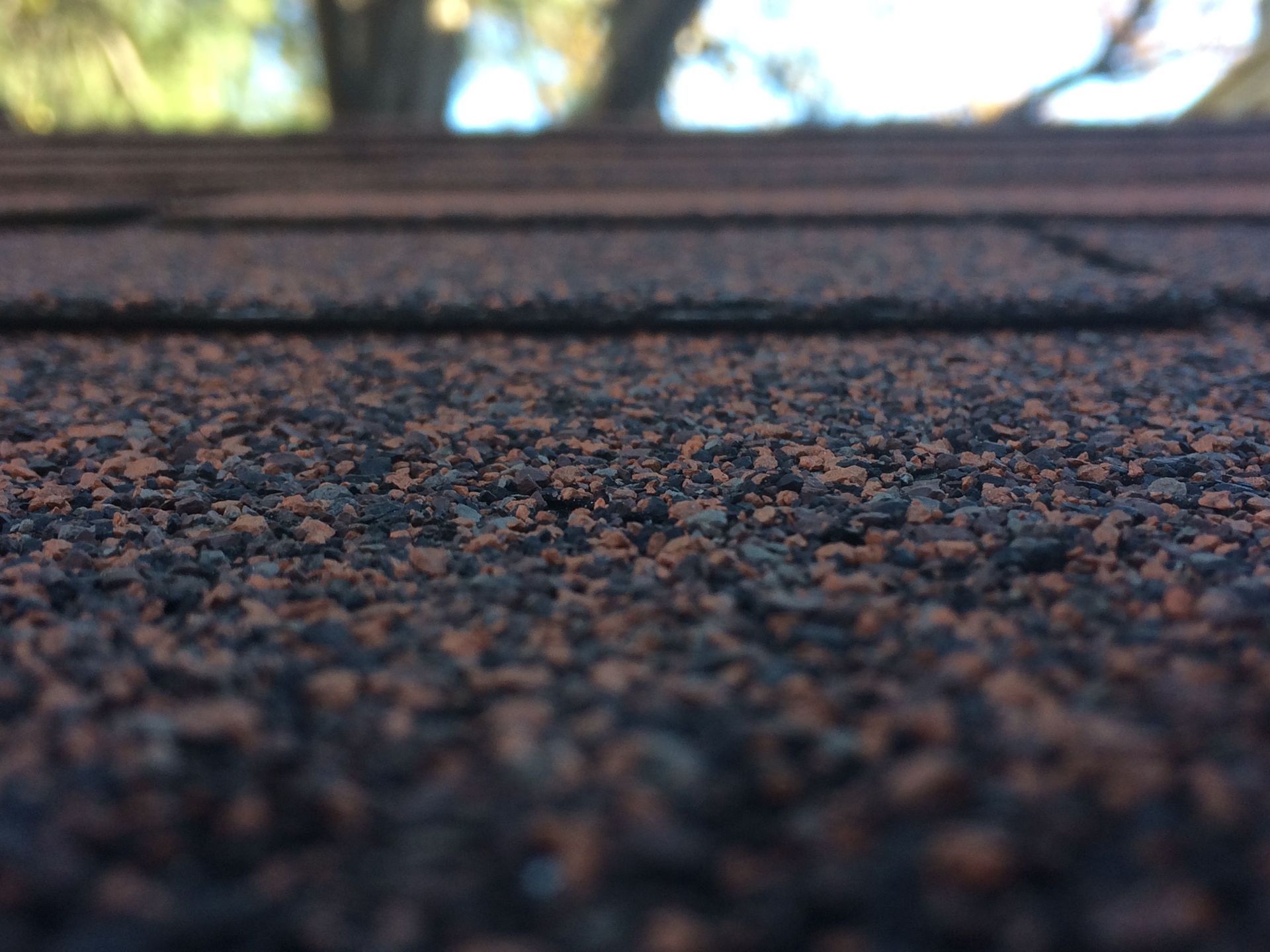
  • Close-up photos of individual shingle damage with a scale for size.
  • Images of "collateral damage" on gutters, downspouts, and window screens.
  • Photos of the ridge caps and valley areas where leaks often start.
  • Clear shots of the house number to verify the property location.

These photos serve as a permanent record of the roof’s state at a specific point in time. Because weather conditions can change and damage can worsen over time, having a timestamped visual record is invaluable. It removes the ambiguity that can often lead to delays or confusion during the claim navigation process. When you work with a team that prioritizes roofing expertise, you ensure that the right details are captured the first time around.

Close up of roof shingle damage

Technical Specifications and the Written Scope

The written scope is where the visual data meets technical terminology. It translates what is seen in the photos into a language that describes the materials and labor required to return the roof to its pre-damage condition. This scope includes the specific type of shingle currently installed, the square footage of the roof, and any unique architectural features that affect the complexity of a potential repair or replacement.

Having a written scope helps the homeowner understand the full picture of their property’s needs. It isn't just a list of materials; it's a breakdown of the system's requirements. For example, if your home has specific ice and water shield requirements due to local St. Louis building codes, those should be noted in the scope. This ensures that the documentation is not only accurate regarding the damage but also accurate regarding the standards required for a quality restoration.

How does a contractor assist during the adjuster meeting?

One of the most helpful steps in the documentation process is having your contractor meet the insurance adjuster at your home. When the adjuster arrives to perform their own inspection, your contractor can be there to provide technical support. Think of it as a "meeting of the minds" between two professionals who both understand the mechanics of a roof. Your contractor can point out the specific areas of concern they found during their initial documentation phase, ensuring that no stone is left unturned.

During this meeting, the contractor’s role is strictly technical:

  • They point out specific damage locations identified in the report.
  • They answer questions about the roof's material and construction.
  • They provide measurements or technical data if requested.
  • They discuss the physical findings observed on the slopes.
  • They ensure the adjuster has access to all parts of the roof.

It is vital to understand that while the contractor is there to provide facts, they are not there to handle the financial side of the claim. The adjuster is the one who determines coverage and loss based on your specific policy. By having a contractor present to answer technical questions, you ensure that the adjuster has the most complete information possible to make their independent determination. This coordination is all about clarity and technical accuracy.

Understanding the Line Between Documentation and Negotiation

There is a very clear and important line that every homeowner should understand: a contractor documents and coordinates, but they never negotiate, adjust, or settle a claim. At Suntide Companies, we take this distinction seriously. Our expertise lies in the physical and technical aspects of your roof. We provide the data, the photos, and the scope, but we do not engage in the legal or financial settlement of your insurance claim.

This boundary is in place to protect you as a policyholder. The insurance claim process is a contract between you and your insurance provider. Therefore:

  • Contractors do not discuss policy limits or coverage exclusions.
  • Contractors do not handle or waive your insurance deductible.
  • Contractors do not promise specific claim approvals or payouts.
  • Contractors do not set the final timeline for the insurance company’s process.
  • Contractors do not act as public adjusters or legal representatives.

If you have questions about what your policy covers, how much your payout will be, or how your deductible works, those questions should be directed solely to your own insurance agent. They are the experts on your specific policy and the only ones authorized to discuss your coverage. Our job is to give you the most thorough roof damage documentation possible so you can provide it to them as you navigate your claim.

Contractor and homeowner discussing roof

Where should you go for coverage and payout questions?

As you move through the claim process, you will likely have many questions about the financial details. It is natural to want to know how long the process will take or exactly how much money will be allocated for repairs. However, because these are based on your private contract with the insurance company, your agent is your primary resource. They can explain the difference between Replacement Cost Value (RCV) and Actual Cash Value (ACV) and help you understand how your deductible fits into the equation.

Your contractor’s focus remains on the project itself. Once the insurance company has made their determination and you are ready to move forward with the work, the documentation we provided earlier serves as the blueprint for the project. Whether it’s a simple repair or a full replacement, the goal is always quality craftsmanship and a long-lasting solution for your home. If you're ready to begin the process, you can contact us to schedule an initial inspection.

Key Takeaways for Homeowners

  • Documentation is Factual : Professional documentation is a collection of photos, measurements, and findings, not a financial negotiation.
  • Focus on Quality Evidence : High-resolution photos and detailed written scopes are the most valuable tools you can provide to your carrier.
  • Contractors are Technical Experts : A contractor can answer technical questions for an adjuster but cannot settle a claim or discuss policy coverage.
  • Talk to Your Agent : All questions regarding deductibles, payouts, and coverage should be handled by your insurance agent.
  • Coordinate, Don't Negotiate : A smooth process relies on clear communication and defined roles between the homeowner, the contractor, and the insurance company.

By following these principles, you can navigate the path to a restored roof with less stress and more clarity. For more information on our services, visit our About page or explore our blog for more tips on maintaining your St. Louis property.

Recent Posts

Facility manager reviewing a commercial restoration plan on a tablet.
September 14, 2026
Ensure business continuity with a commercial disaster restoration plan. Learn why proactive planning in Q4 leads to better facility resilience and operational stability.

A professional view of a well-maintained residential roof during the autumn season.
September 7, 2026
Discover what happens during a professional fall roof inspection. Learn how to spot issues from the ground and why pre-winter maintenance protects your home.
A St. Louis home after a storm showing the need for roof evaluation.
August 24, 2026
Learn how St. Louis homeowners can calmly evaluate roofing contractors after storm damage. Discover what documentation to ask for and why you shouldn't rush the process.
Modern commercial building in St. Louis showing architectural detail.
August 17, 2026
Learn what a commercial disaster restoration plan covers and why St. Louis facility leads should document systems and decision-makers before a loss.
Flooded St. Louis basement after a heavy summer storm.
August 10, 2026
Dealing with a flooded basement in St. Louis after a summer storm? Follow these critical safety steps, document damage, and call for professional extraction.

A professional contractor holding a detailed technical roof report outdoors.
August 3, 2026
Learn the boundaries of a roofing contractor's role in insurance claims, from documenting damage to providing a technical scope of work in St. Louis.
Commercial building roofing options in St. Louis
July 27, 2026
Learn how St. Louis commercial property owners weigh TPO, metal, and architectural shingle roofing systems based on slope, building use, and long-term goals.

Home renovation planning blueprints on a wooden table with natural lighting.
July 20, 2026
Scoping a St. Louis home remodel? Learn how to plan your project, ask the right contractor questions, and why summer starts are best for exterior work.

A professional real estate sign in front of a St. Louis house during summer.
July 13, 2026
Learn how roof condition impacts home sales in St. Louis this summer. Explore inspection tips, repair vs. replacement advice, and why a pre-listing assessment is vital.
Summer sun shining over a residential St. Louis neighborhood with focus on rooftops.
July 6, 2026
Learn how St. Louis summer humidity and poor attic airflow impact your home. Identify warning signs like ceiling stains and musty odors before they cause damage.

Show More