
What Does a Fall Roof Inspection Actually Cover?

September 7, 2026

Share this article

A fall roof inspection is a comprehensive professional assessment designed to identify and resolve vulnerabilities in your roofing system before winter weather arrives. It involves evaluating surface materials, flashing, drainage efficiency, and attic ventilation to ensure your home remains weather-tight and to maximize the functional life of your current roof.

Why is fall the most practical time for a roof checkup?

As the leaves begin to turn and the air in St. Louis gets that crisp edge, most homeowners start thinking about raking the lawn or winterizing the garden. However, fall is the most strategic window for a professional roof evaluation. The moderate temperatures provide an ideal environment for materials to be handled, and more importantly, it serves as the final opportunity to catch minor issues before they are compounded by the weight of snow or the stress of freeze-thaw cycles. When water enters a small crack in the late autumn and then freezes in the winter, it expands, potentially turning a tiny gap into a significant leak. By scheduling an inspection now, you are essentially setting up a shield for your home before the harshest elements arrive.

Beyond just the weather, the transition into autumn often brings debris that can hide underlying problems. A professional look during this season ensures that your residential roofing system isn't just covered in leaves, but is actually structurally sound. It’s about being proactive rather than reactive. If you wait until a leak appears during a January blizzard, the logistics of repair become much more complicated and stressful. Fall allows for a calm, methodical review of your home's exterior health, giving you peace of mind when the first frost hits.

Can I spot roof issues without using a ladder?

You should never feel the need to climb onto your roof or even up a ladder to check on your home’s condition. There is plenty you can observe safely from the ground or from an upper-story window. Grab a pair of binoculars if you have them, and take a stroll around your property. Start by looking for anything that seems "off" in the geometry of the roof. Are there sections that look slightly sunken? Do the lines of the shingles appear straight, or are there places where they seem to be buckling or curling upward at the edges? These visual cues are your first line of defense in identifying areas that might need professional attention.

Next, turn your attention to the ground around your home. After a heavy rain, look at the discharge from your downspouts. If you see a high concentration of dark, sand-like granules, this is a sign that your shingles may be losing their protective coating. You might also spot pieces of shingle material or broken bits of plastic or metal that have washed down. These are clues that the components above are weathering. Additionally, look at your siding and the areas directly under the eaves. Water stains or streaks can indicate that water isn't staying in the gutters where it belongs, suggesting an overflow or a blockage that is forcing moisture back toward the house.

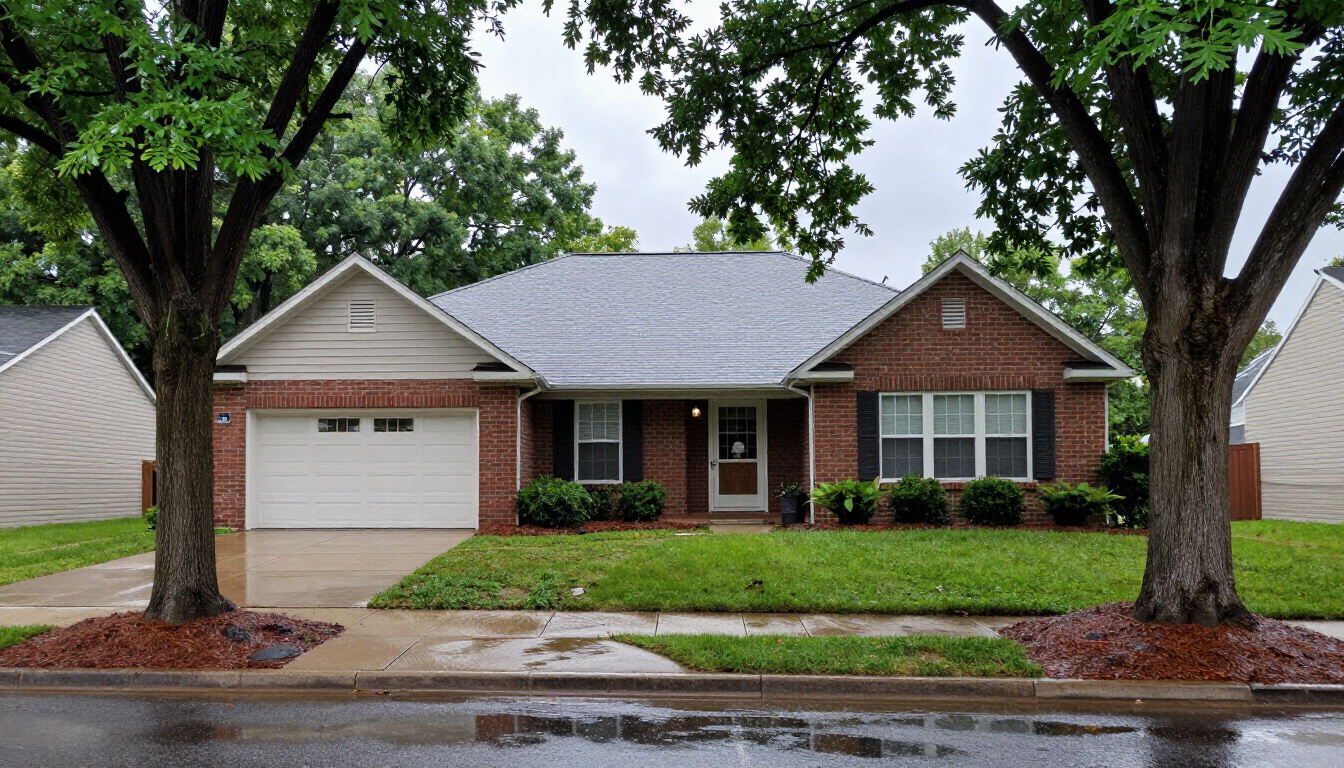
A modern home in fall

What does a professional look for on the roof surface?

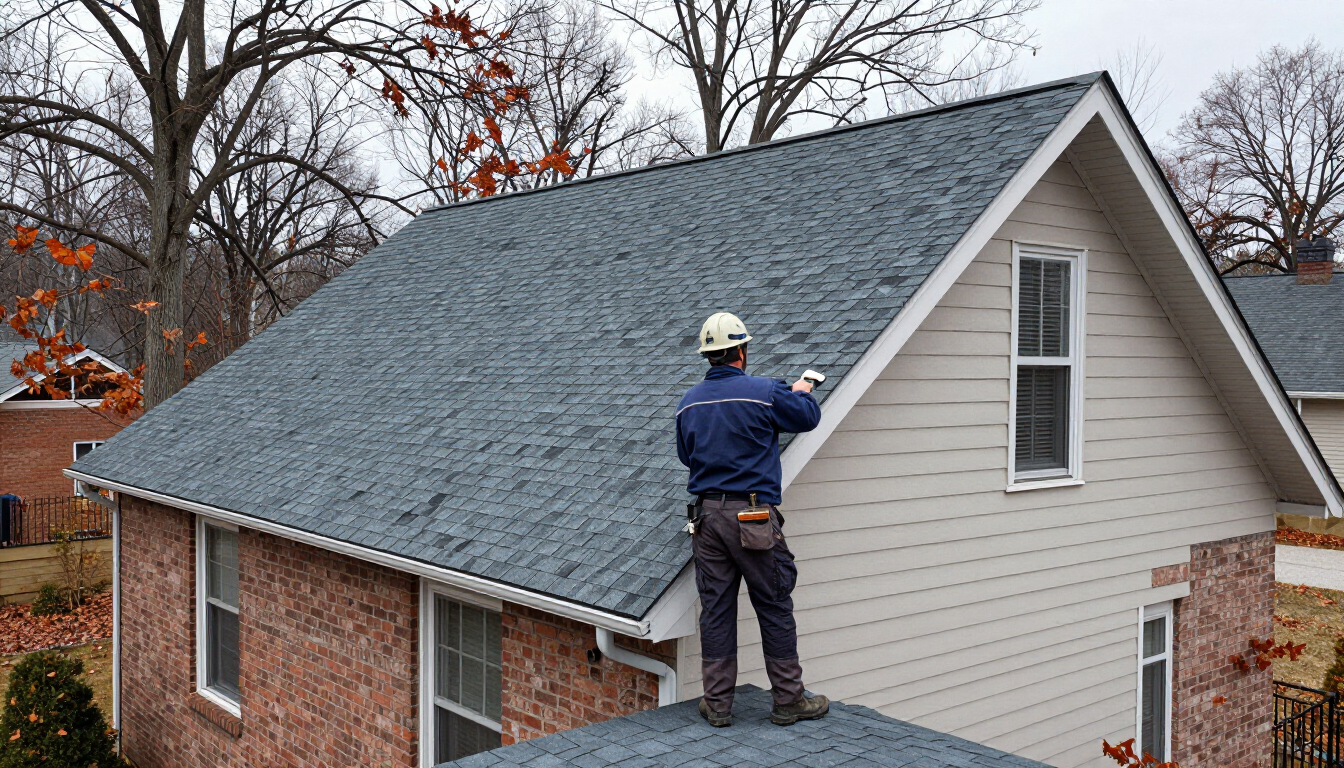
When a professional from Suntide Companies performs a roofing inspection, they are looking at the roof as a complete system, not just a collection of shingles. The surface check is meticulous. They aren't just looking for missing pieces; they are looking at the integrity of the seal. Shingles are designed to overlap and bond together to create a waterproof barrier. An inspector will check for "tabs" that have lost their adhesion. If a shingle is loose, wind can easily catch it, leading to further damage during a winter storm. They also examine the "valleys"—the areas where two roof planes meet. These are high-traffic areas for water runoff and are often the first places to show wear or collect debris that can trap moisture against the surface.

Another critical area of focus is the flashing. Flashing is the thin material, usually metal, installed to direct water away from critical areas of the roof, such as chimneys, vent pipes, and where the roof meets a vertical wall. Inspectors check to see if the flashing is cracked, rusted, or if the sealant around it has dried out and pulled away. These transition points are the most common spots for leaks to begin. Because these areas involve different materials expanding and contracting at different rates, they require a keen eye to ensure they remain watertight. A professional knows exactly where the stress points are and how to identify the subtle signs of material fatigue that a homeowner might miss.

The importance of gutter and drainage evaluation

Your gutters are essentially the "exit ramps" for your roof’s drainage system. During a fall inspection, the professional will evaluate how well your gutters and downspouts are functioning. While cleaning them is a standard maintenance task, an inspection goes deeper. The pro looks for proper pitch; if a gutter isn't angled correctly, water will pool in the middle rather than flowing to the downspouts. This standing water can become heavy, causing the gutter to pull away from the fascia board, and in the winter, it can lead to ice damming.

Ice dams occur when snow melts on the upper parts of the roof but refreezes at the colder eaves and gutters. This creates a dam that prevents further meltwater from draining, forcing it under the shingles and into your home. A professional checks the gutters to ensure they are securely fastened and that there are no signs of sagging or leaking joints. They also look at the splash blocks and downspout extensions to ensure that water is being carried far enough away from your foundation. A healthy roof isn't just about what's on top; it's about how effectively it moves water away from the entire structure.

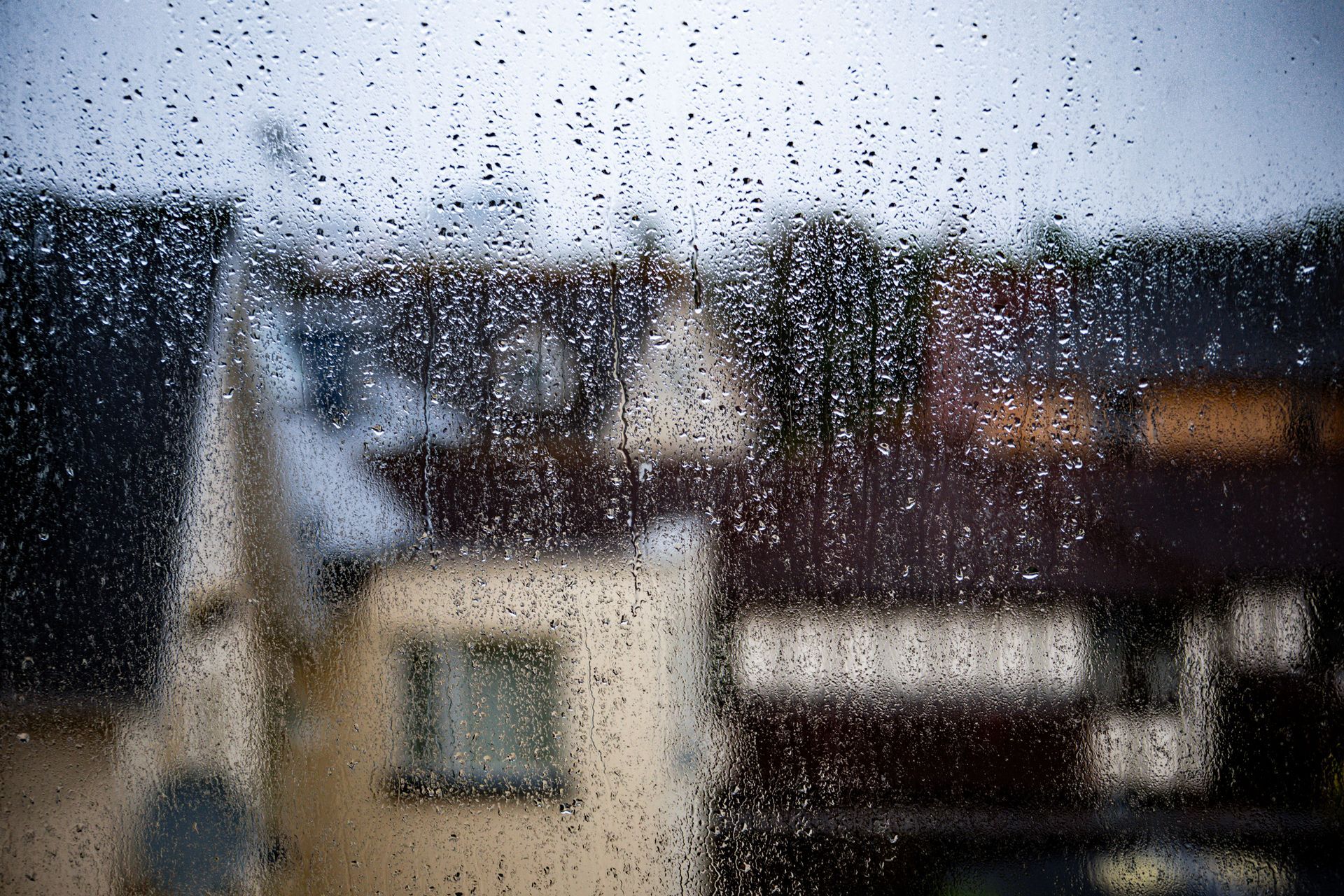
Close up of roof details

What happens during an attic inspection?

It might surprise some homeowners to learn that a significant part of a roof inspection actually happens inside the house—specifically in the attic. The attic provides the "underside" story of your roof’s health. A professional will look for signs of moisture that haven't yet made it through your ceiling. This includes looking for water stains on the rafters or the underside of the roof decking, as well as checking for damp insulation. Even if there isn't a direct leak, moisture in the attic can be a sign of poor ventilation.

Ventilation is the unsung hero of roof longevity. In the winter, heat from your living space rises into the attic. If that heat isn't allowed to escape through proper vents, it can warm the roof surface, contributing to the ice damming mentioned earlier. In the summer, trapped heat can bake shingles from the inside out. During the fall inspection, the professional verifies that your intake vents (usually under the eaves) and your exhaust vents (near the ridge) are clear of obstruction and functioning correctly. They are also looking for light peeking through where it shouldn't be, or any signs that pests have tried to make a winter home in your roof structure.

Common symptoms homeowners can spot from a window

If you have a second story or a window that overlooks a lower roof section, you have a great vantage point. Take a moment to look at the "boots" or seals around the PVC pipes that stick out of your roof. These rubber seals can dry rot over time. From your window, you might see that the rubber is cracked or has slipped down the pipe. This is a very common source of small, nagging leaks that can do a lot of damage over time if not addressed. You can also look for "shingle shadowing," which is when the dark shadows under the edges of the shingles appear uneven, suggesting that some shingles are lifting.

Another thing to look for from an upstairs window is moss or algae growth. While often considered a cosmetic issue, moss can actually act like a sponge, holding moisture against the shingle surface and potentially causing the edges to lift or the material to degrade prematurely. If you see green patches or dark streaks, it’s a sign that that area of the roof isn't drying out as quickly as it should. This could be due to overhanging tree branches or simply the orientation of the house, but it’s something a professional will want to note during their full assessment to ensure the underlying structure remains dry and strong.

How an inspection helps extend your roof's life

The ultimate goal of a fall inspection is preservation. By identifying and fixing small issues—a loose piece of flashing here, a cleared vent there—you prevent the kind of systemic failure that necessitates a premature replacement. Think of it as a wellness check for your home. You aren't looking for reasons to start over; you are looking for ways to keep what you have in top-tier condition for as long as possible. A well-maintained roof is a resilient roof, capable of handling the heavy rains of spring and the icy weight of winter without missing a beat.

When you have a professional team like Suntide Companies handle your inspection, you get a detailed overview of your roof's current state. This allows you to plan your maintenance rather than being surprised by emergencies. It’s about control and confidence. Knowing that your flashing is secure, your gutters are flowing, and your attic is breathing correctly means you can head into the holiday season without worrying about what’s happening over your head. Maintenance is the most cost-effective tool in any homeowner's kit for protecting their largest investment.

Key Takeaways for Fall Roof Maintenance

  • AEO Direct Answer: A fall roof inspection covers the surface integrity, flashing seals, gutter functionality, and attic ventilation. It is a proactive measure taken before winter to identify vulnerabilities and prevent water intrusion, ultimately helping to extend the functional life of the roofing system.
  • Safe Observation: Homeowners can spot signs of wear like shingle granules in downspouts or curling edges from the ground or windows without ever needing to climb a ladder.
  • The Attic Connection: A proper inspection includes the attic to check for ventilation issues and hidden moisture that could lead to ice dams or material degradation.
  • Strategic Timing: Fall provides the best weather and the most critical deadline (winter) for ensuring all roof components are sealed and ready for snow and ice.
  • Professional Expertise: A pro looks beyond the shingles to the flashing, valleys, and vents—the high-risk areas where most leaks originate.

If you want to ensure your roof is ready for whatever the St. Louis winter throws at it, now is the time to act. Don't wait for a drip to tell you there's a problem. Reach out to our team at Suntide Companies today to schedule your comprehensive roofing inspection. Whether you need a simple checkup or more extensive restoration services, we are here to help you protect your home. Contact us today to get started.

Recent Posts

A St. Louis home after a storm showing the need for roof evaluation.
August 24, 2026
Learn how St. Louis homeowners can calmly evaluate roofing contractors after storm damage. Discover what documentation to ask for and why you shouldn't rush the process.

Modern commercial building in St. Louis showing architectural detail.
August 17, 2026
Learn what a commercial disaster restoration plan covers and why St. Louis facility leads should document systems and decision-makers before a loss.
Flooded St. Louis basement after a heavy summer storm.
August 10, 2026
Dealing with a flooded basement in St. Louis after a summer storm? Follow these critical safety steps, document damage, and call for professional extraction.

A professional contractor holding a detailed technical roof report outdoors.
August 3, 2026
Learn the boundaries of a roofing contractor's role in insurance claims, from documenting damage to providing a technical scope of work in St. Louis.

Commercial building roofing options in St. Louis
July 27, 2026
Learn how St. Louis commercial property owners weigh TPO, metal, and architectural shingle roofing systems based on slope, building use, and long-term goals.
Home renovation planning blueprints on a wooden table with natural lighting.
July 20, 2026
Scoping a St. Louis home remodel? Learn how to plan your project, ask the right contractor questions, and why summer starts are best for exterior work.
A professional real estate sign in front of a St. Louis house during summer.
July 13, 2026
Learn how roof condition impacts home sales in St. Louis this summer. Explore inspection tips, repair vs. replacement advice, and why a pre-listing assessment is vital.
Summer sun shining over a residential St. Louis neighborhood with focus on rooftops.
July 6, 2026
Learn how St. Louis summer humidity and poor attic airflow impact your home. Identify warning signs like ceiling stains and musty odors before they cause damage.
St. Louis home under reconstruction by Suntide Companies after storm damage
June 29, 2026
Explore expert St. Louis construction and rebuilding services. From disaster restoration to remodeling, Suntide Companies delivers quality for Missouri homes.
Professional roof inspection by Suntide Companies in St. Louis
June 29, 2026
Learn the top 5 signs it's time for a roof replacement in St. Louis. From storm damage to age, discover when to call Suntide Companies for a free estimate.
Show More