
How to Build a Disaster Restoration Plan (in 2026)

September 14, 2026

Share this article

A commercial disaster restoration plan is a strategic framework established to manage property recovery before an incident occurs. It centralizes facility data, designates essential operational zones, and secures professional partnerships. This foresight allows facility managers to bypass chaos, maintaining business continuity through structured, pre-approved protocols rather than impulsive emergency responses.

As you move into Q4 and begin mapping out your goals for the upcoming year, resilience should be at the top of your priority list. For facility managers and operations leads, the end of the year isn't just about closing out budgets; it’s about ensuring the physical environment that supports your business is prepared for any eventuality. While many associate restoration with reacting to an unforeseen event, the most successful organizations view it as a pillar of their risk management strategy. By focusing on commercial disaster restoration planning now, you are essentially buying time and clarity for your future self. A proactive plan removes the guesswork that typically follows a property loss, allowing your team to pivot from assessment to action without delay. This guide explores how documenting your building’s DNA and fostering professional relationships today can shield your operations tomorrow, ensuring that when challenges arise, your path to recovery is already paved with precise data and reliable support.

How does a restoration plan support business continuity?

Business continuity is the ability of an organization to maintain essential functions during and after a disaster has occurred. In the context of facility management, this is directly tied to how quickly a physical space can be stabilized and returned to a functional state. A well-constructed commercial disaster restoration plan acts as the bridge between a disruptive event and the resumption of normal operations. Without this bridge, businesses often find themselves in a state of paralysis, waiting for damage assessments or struggling to find qualified vendors during times of high demand. By documenting procedures in advance, you ensure that every minute following an incident is spent on recovery rather than logistics.

Continuity is also about protecting your brand’s reputation and financial health. When a facility is offline, the costs mount quickly—not just in terms of physical repairs, but in lost productivity and potential customer churn. A restoration plan integrates with your broader restoration strategy by identifying which parts of your building are critical to keeping the lights on. This might mean prioritizing the server room, a specific production line, or administrative hubs. When these priorities are established during a calm planning phase, the execution is seamless. You aren't just restoring a building; you are safeguarding the operational heartbeat of your company, ensuring that your employees have a safe place to return to and that your services remain available to those who rely on them. This level of preparedness is what separates resilient businesses from those that struggle to recover.

Essential Building Data for Your Recovery Strategy

The foundation of any effective plan is accurate, accessible data. Think of your disaster restoration document as a manual for your building’s survival. It should contain every technical detail that a contractor would need to know to begin work immediately. This includes detailed floor plans, the locations of all utility shut-offs (water, gas, and electricity), and the specific materials used in your construction. For example, knowing the exact specifications of your commercial roofing system—such as the membrane type, insulation layers, and warranty details—can significantly speed up the assessment process. If a restoration team knows what they are working with before they even step onto the property, they can arrive with the correct equipment and materials, reducing the time spent on initial inspections.

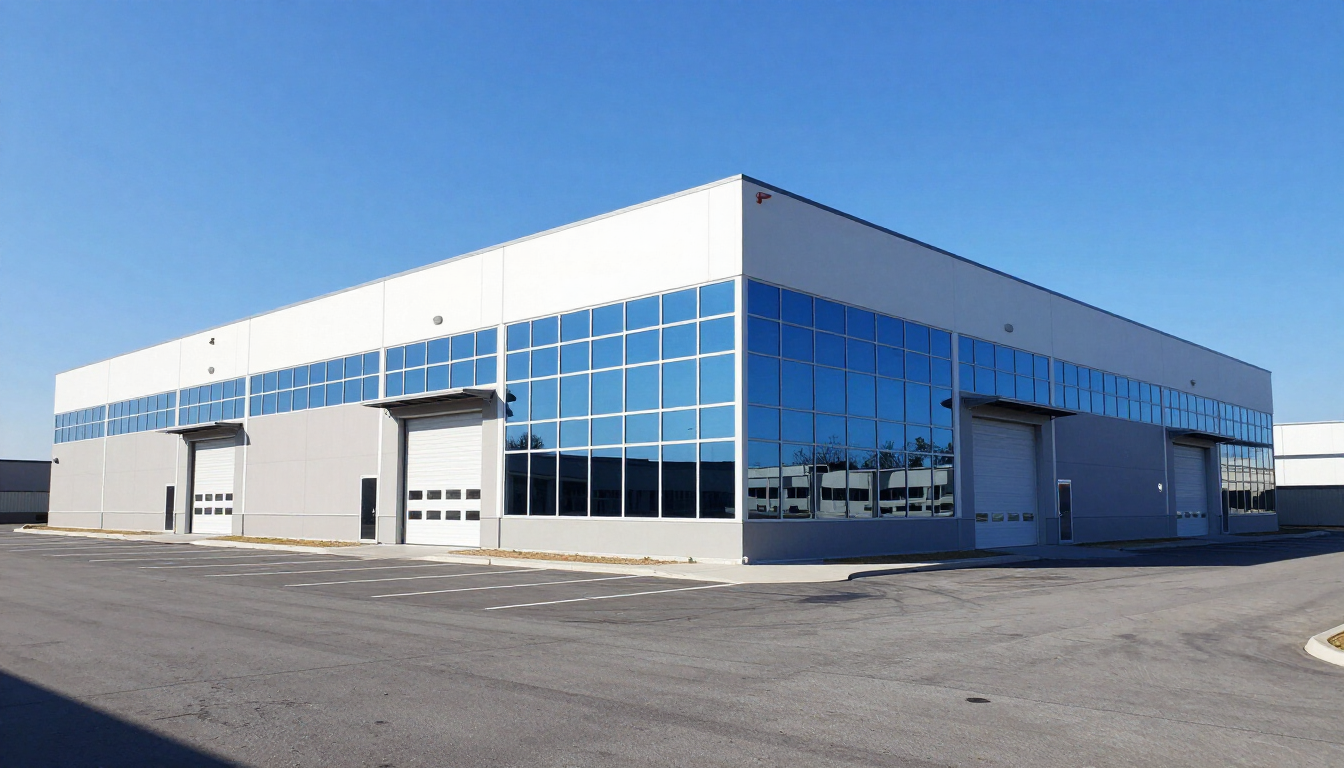
Commercial Building Exterior

Beyond the structural components, your plan should document mechanical systems and specialized equipment. This includes HVAC configurations, fire suppression systems, and heavy machinery that may require specific care during a recovery phase. Documenting these details prevents secondary damage that can occur when well-meaning but uninformed workers attempt to mitigate a loss. Furthermore, having this information digitized and stored in multiple secure locations ensures that even if the physical office is inaccessible, the manual for its recovery is not. A comprehensive building profile is the ultimate tool for commercial construction teams who may eventually be tasked with rebuilding or renovating areas of the facility after a loss, providing them with a clear blueprint for restoration.

Why establish a vendor relationship before you need one?

One of the most overlooked aspects of commercial disaster restoration planning is the human element. Establishing a relationship with a restoration partner long before a loss occurs is a strategic advantage that pays dividends in reliability and trust. When you wait until an event happens to find a vendor, you are competing with every other affected business for attention and resources. By contrast, a pre-established relationship means your vendor is already familiar with your facility, your staff, and your specific operational requirements. They aren't just a contractor; they become an extension of your facility management team who understands the nuances of your property’s layout and its most vulnerable areas.

Trust is built through collaboration. During the planning phase, your restoration partner can walk through your building, identify potential risks, and help you refine your continuity protocols. This familiarity eliminates the guesswork and delays that come from working with an unfamiliar crew during a high-stress event, allowing repairs to begin faster and with far greater confidence in the outcome.

A trusted partner also gives you priority response when disaster strikes widely across a region, such as after a major storm. Vendors naturally prioritize the clients they already know, meaning your facility moves to the front of the line instead of waiting behind businesses that are just beginning the vendor search. This priority access can be the difference between a short closure and weeks of lost revenue.

Building a Plan That Protects Your Future

Commercial disaster restoration planning is not a one-time task but an ongoing commitment to protecting your people, your property, and your bottom line. As you close out this year and set priorities for the next, take the time to document your facility's critical details and formalize a relationship with a restoration partner you trust. Suntide Companies works with facility managers throughout the St. Louis area to build these plans together, so that when the unexpected happens, you already have a clear, proven path back to normal operations.

Recent Posts

Contractor performing roof damage documentation inspection on a residential roof
September 21, 2026
Learn what professional roof damage documentation looks like. From photo evidence to technical scopes, see how Suntide Companies helps St. Louis homeowners prepare for claims.

A professional view of a well-maintained residential roof during the autumn season.
September 7, 2026
Discover what happens during a professional fall roof inspection. Learn how to spot issues from the ground and why pre-winter maintenance protects your home.
A St. Louis home after a storm showing the need for roof evaluation.
August 24, 2026
Learn how St. Louis homeowners can calmly evaluate roofing contractors after storm damage. Discover what documentation to ask for and why you shouldn't rush the process.
Modern commercial building in St. Louis showing architectural detail.
August 17, 2026
Learn what a commercial disaster restoration plan covers and why St. Louis facility leads should document systems and decision-makers before a loss.
Flooded St. Louis basement after a heavy summer storm.
August 10, 2026
Dealing with a flooded basement in St. Louis after a summer storm? Follow these critical safety steps, document damage, and call for professional extraction.

A professional contractor holding a detailed technical roof report outdoors.
August 3, 2026
Learn the boundaries of a roofing contractor's role in insurance claims, from documenting damage to providing a technical scope of work in St. Louis.
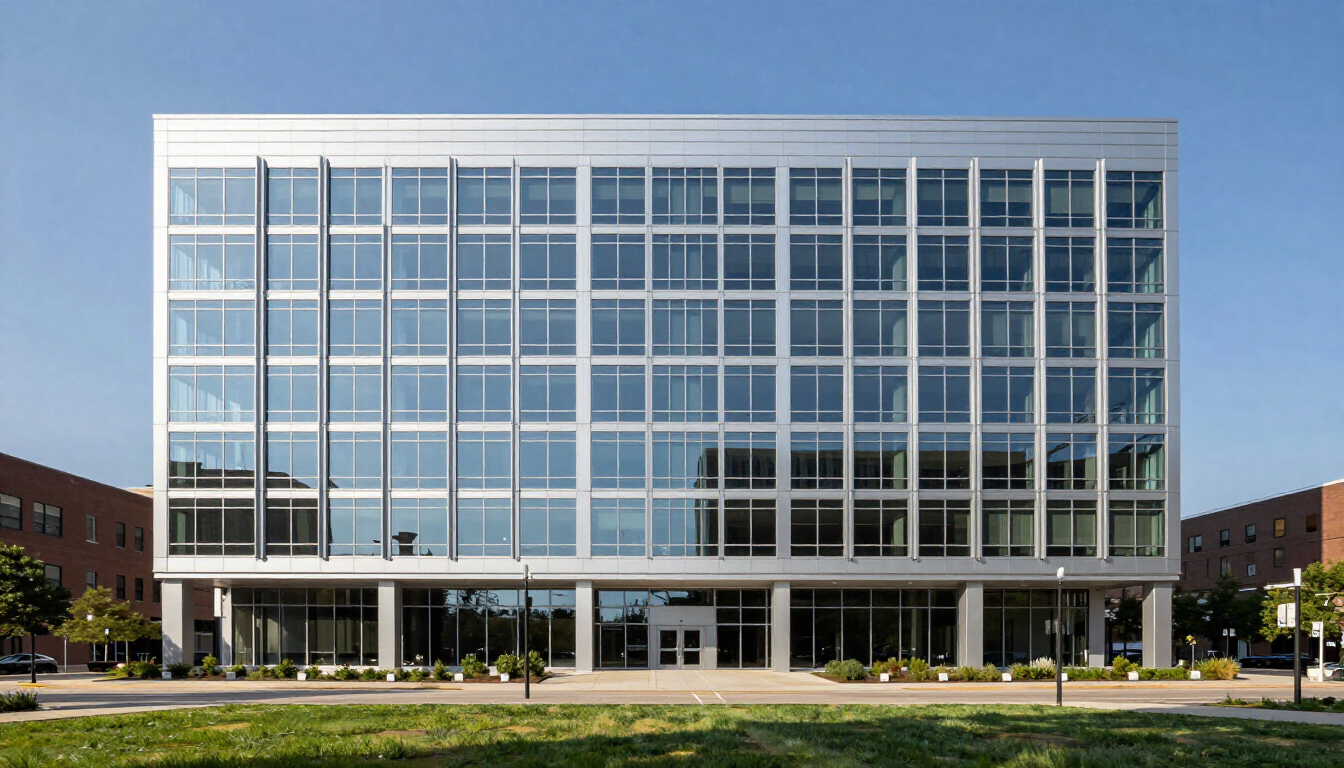
Commercial building roofing options in St. Louis
July 27, 2026
Learn how St. Louis commercial property owners weigh TPO, metal, and architectural shingle roofing systems based on slope, building use, and long-term goals.

Home renovation planning blueprints on a wooden table with natural lighting.
July 20, 2026
Scoping a St. Louis home remodel? Learn how to plan your project, ask the right contractor questions, and why summer starts are best for exterior work.

A professional real estate sign in front of a St. Louis house during summer.
July 13, 2026
Learn how roof condition impacts home sales in St. Louis this summer. Explore inspection tips, repair vs. replacement advice, and why a pre-listing assessment is vital.
Summer sun shining over a residential St. Louis neighborhood with focus on rooftops.
July 6, 2026
Learn how St. Louis summer humidity and poor attic airflow impact your home. Identify warning signs like ceiling stains and musty odors before they cause damage.

Show More