

St. Louis Attic Humidity: 5 Signs of Poor Airflow
Summer humidity in St. Louis combined with poor attic airflow causes moisture buildup that damages your home’s structural integrity and interior finishes. When heat and humidity are trapped, they lead to condensation, resulting in ceiling stains, peeling paint, and musty odors that indicate a failing ventilation system.
St. Louis is famous for many things—the Arch, our incredible sports history, and the distinct, heavy humidity that arrives every June and stays through September. For a maintenance-minded property owner, this weather isn't just about personal comfort; it is a test for your home’s exterior and ventilation systems. When we talk about roofing , we often focus on keeping the rain out. However, the air moving under your roof is just as important as the shingles keeping the water off it. Without proper circulation, your attic can become a pressurized chamber of hot, wet air that slowly impacts the materials that hold your house together.
Why does my ceiling have mysterious stains in summer?
It is a common misconception that a ceiling stain always signals a hole in the roof. While that is certainly possible, many St. Louis homeowners are surprised to find that these marks appear during long stretches of dry, humid weather. When the humidity levels outside climb toward 90%, the air in a poorly ventilated attic becomes saturated. As the sun goes down and the temperature drops slightly, that moisture has nowhere to go. It condenses on the underside of the roof deck or along the rafters. Eventually, this condensation drips down onto your insulation and, through gravity, makes its way to the drywall of your ceiling.
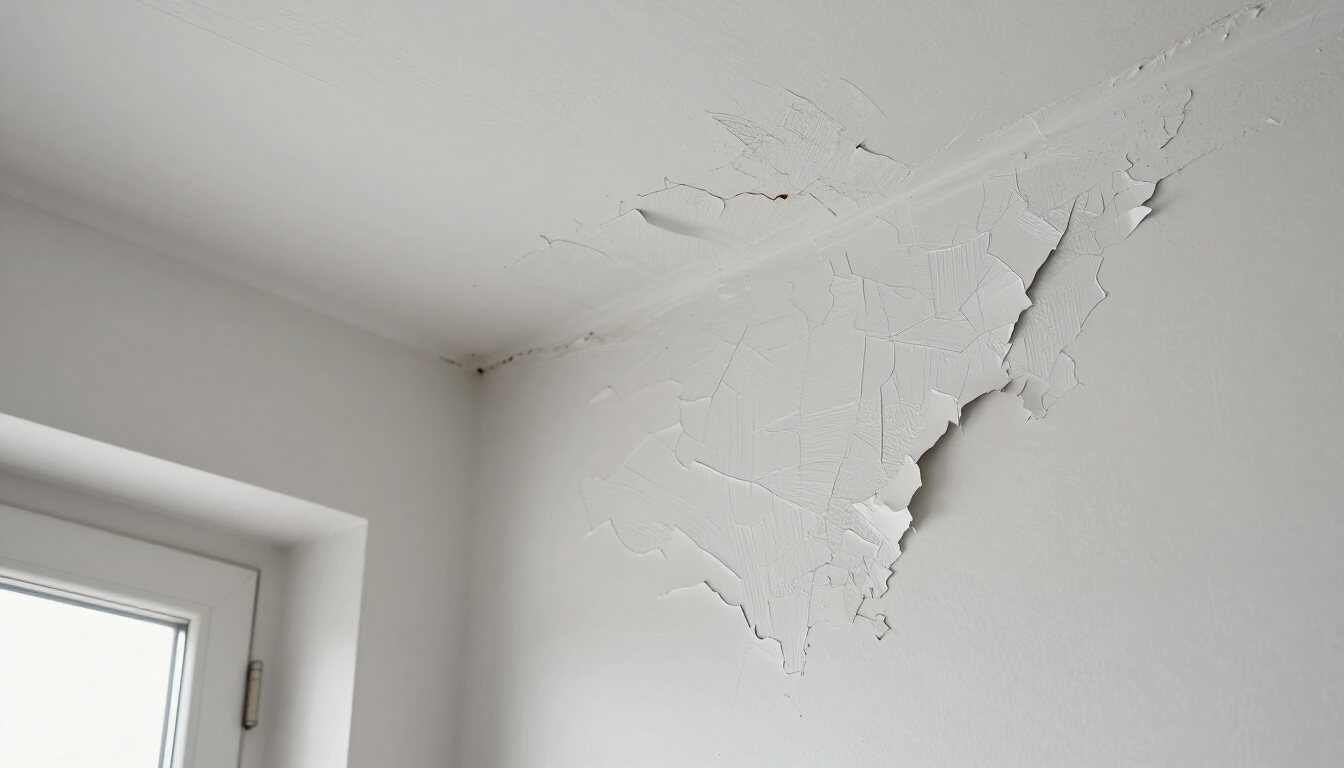
These stains usually look like faint yellow or brown rings. They might appear in the corners of a room or near light fixtures. Because they aren't always caused by a sudden downpour, they can be easy to ignore at first. However, catching these signs early is the key to preventing a larger restoration project down the road. If you see a spot appearing during a week without rain, you are likely looking at a classic symptom of poor attic airflow and high humidity.
Interior Warning Signs of Moisture Buildup
Monitoring the interior of your home is the safest way to gauge the health of your attic without ever needing to step on a ladder. The materials in your home react to moisture in predictable ways. By paying attention to these subtle shifts, you can identify a ventilation issue before it evolves into a structural problem. Look for these five indicators in your upper-level rooms:
- Discolored spots or "rings" appearing on the ceiling.
- Paint that is bubbling, cracking, or peeling away from the drywall.
- A persistent, earthy, or heavy musty odor in the upstairs hallway.
- Wallpaper that begins to curl at the top edges near the ceiling.
- Rooms that feel significantly warmer and "stuffy" compared to the ground floor.
How does poor attic airflow trap moisture?
To understand why airflow matters, you have to think of your attic like a lung. It needs to "breathe" by pulling in cool, dry air from the bottom (usually through soffit vents) and exhausting hot, moist air out the top (through ridge vents or gable vents). In St. Louis, our summer air is rarely dry, but the movement of that air is what prevents moisture from settling. When this flow is blocked—perhaps by over-stuffed insulation or debris in the vents—the air becomes stagnant.
As the temperature in the attic rises, the air's capacity to hold water increases. During a typical St. Louis July day, attic temperatures can easily exceed 140 degrees Fahrenheit. This intense heat draws moisture out of the very wood used in your home’s construction . When the sun sets, the air cools, and that moisture is squeezed out of the air, turning back into liquid water. This cycle of wetting and drying is incredibly hard on your home. It can cause wood to warp and drywall to lose its structural strength. Without a steady stream of moving air to carry that moisture out, your home essentially begins to "sweat" from the inside out.
Tracing the Source of Moisture
In almost every case of attic-related moisture, the problem can be traced back to a specific water source. It isn't always a leak; sometimes the source is the daily life happening inside the home. Activities like showering, cooking, and even breathing release moisture that naturally rises. If your bathroom fans or kitchen vents are not properly ducted to the outside—and instead vent directly into the attic—you are pumping gallons of water into a space that cannot handle it.
When this interior moisture meets the external humidity of a St. Louis summer, the results are compounded. A professional evaluation of your residential roofing system looks beyond just the shingles. It looks at how the entire house handles water vapor. We often find that moisture issues are a combination of poor ducting from the living spaces and inadequate intake vents at the roof's edge. Correcting the airflow often solves the problem without the need for invasive repairs, provided the issue is caught before the wood begins to suffer.
What does a professional look for during an inspection?
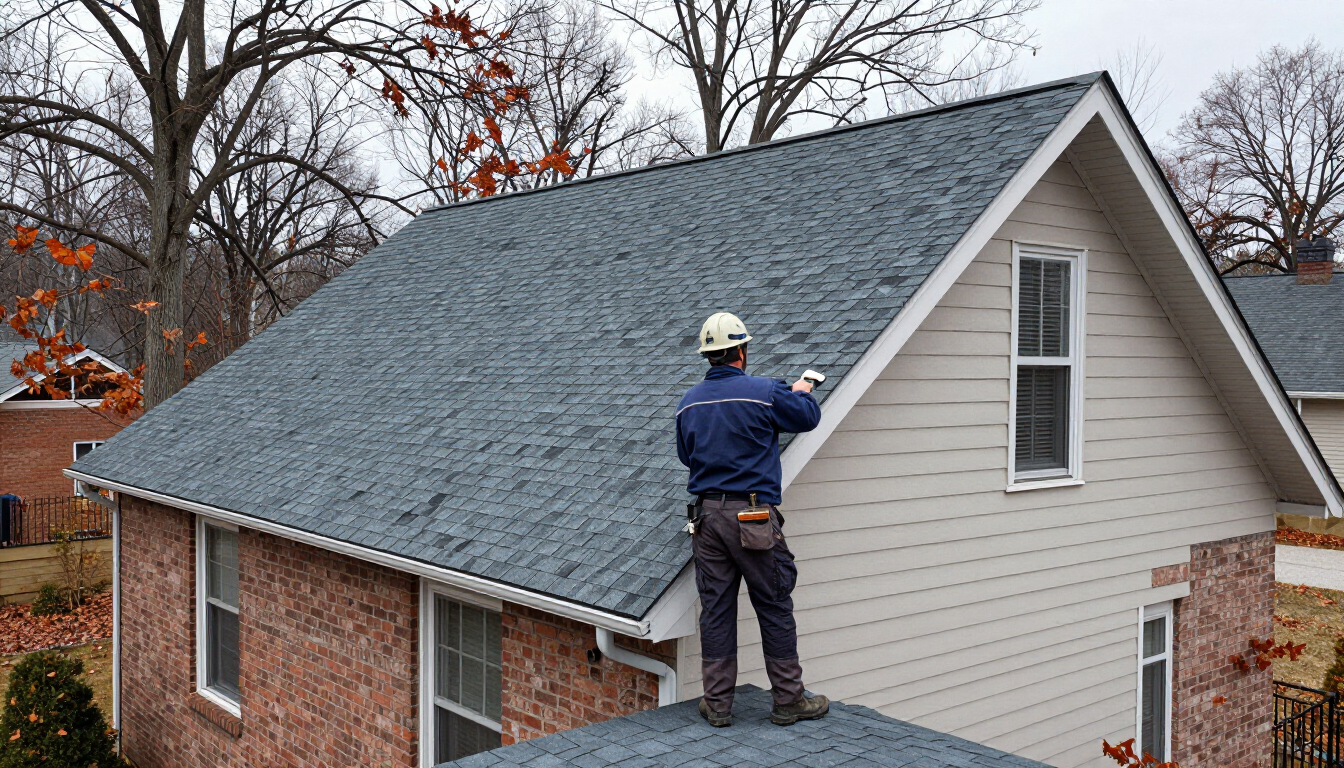
When we evaluate a property for humidity and airflow issues, we follow a strict protocol that focuses on the exterior and the visible interior signals. We do not want you to take the risk of climbing onto your roof or navigating the tight, overheated spaces of an attic. A professional brings specialized tools and experience to identify the "why" behind the moisture.
First, we examine the intake vents. In many older St. Louis homes, soffit vents (located under the eaves) have been painted over or blocked by years of bird nests or insulation. If the intake is blocked, the exhaust vents at the top of the roof cannot function. It’s like trying to drink through a straw with your finger over the bottom. We also look at the alignment of the ridge vents and ensure that the roof's geometry allows for natural convection. By checking the house from the ground and the perimeter, we can often spot the tell-tale signs of air blockage that a homeowner might miss.
Maintaining Your Home’s Structural Health
Proactive maintenance is the hallmark of a responsible property owner. In a climate like ours, your roof is your first line of defense, but the ventilation is what keeps that defense from rotting from within. Regular inspections are not just about finding leaks; they are about ensuring the systems designed to protect your home are actually working. When you address airflow issues, you are protecting your paint, your drywall, and the wooden bones of your house.
If you have noticed a heavy smell when you walk upstairs or a new spot on the ceiling, don't wait for a rainy day to see if it gets worse. Humidity is a silent force that works every day the sun is out. A quick professional look can give you the peace of mind that your home is breathing properly and that your investment is secure for the long haul.
Conclusion: Taking Action Against St. Louis Humidity
Understanding the relationship between St. Louis summer humidity and attic airflow is essential for long-term home maintenance. When moisture is allowed to stagnate, it inevitably leaves behind clues like ceiling stains and peeling paint. By recognizing these signs early and understanding that moisture usually traces back to an airflow or venting source, you can prevent minor issues from turning into major repairs. Remember, a healthy home is one where air moves freely and humidity is managed through smart, professional design.
Key Takeaways for Property Owners:
- Stains appearing in dry weather often indicate attic condensation, not necessarily a roof leak.
- Musty odors are a primary signal that your attic air is stagnant and over-saturated.
- Peeling paint near the ceiling is frequently caused by moisture trapped in the drywall.
- Proper airflow requires clear intake vents (soffits) and functional exhaust vents.
- Professional inspections are the safest and most effective way to evaluate your ventilation health.
If you've spotted any of these warning signs in your home, it’s time for an expert opinion. To ensure your home is prepared for the peak of summer, contact Suntide Companies today to request a professional roof and ventilation inspection.