

How to Start Water Damage Restoration in St. Louis

Samantha Boylls • October 19, 2026

Share this article

Water damage restoration in St. Louis starts with safety, not cleanup. If a burst or frozen pipe is releasing water, stay away from outlets and electrical equipment, shut off the main valve only if it is safe, call a plumber, document the damage, and arrange professional drying to limit secondary damage.

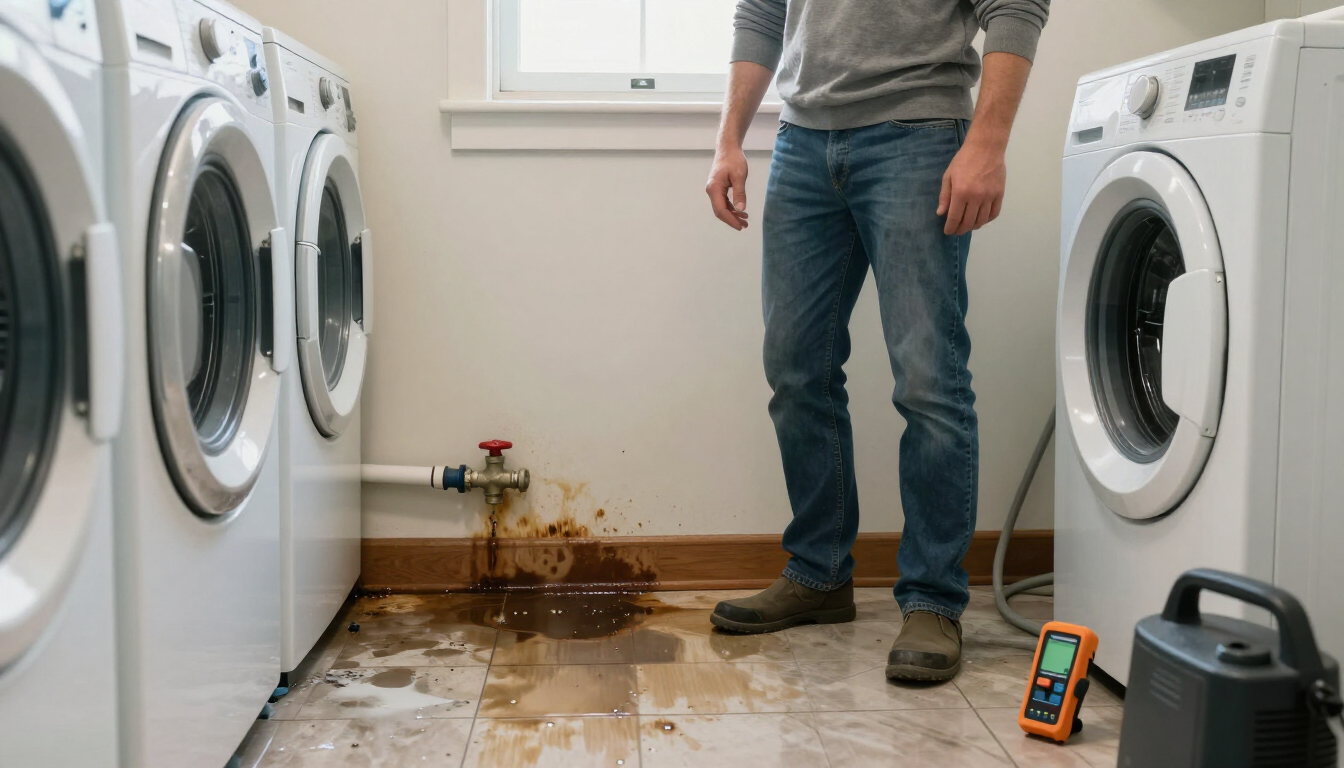
Frozen pipe water damage restoration in St. Louis

What should you do first after a pipe bursts?

Take these steps in order, but do not put yourself in danger:

  1. Move away from electrical hazards. If water is near outlets, appliances, cords, a breaker panel, or other electrical equipment, stay out of the area. Do not step into standing water to reach a switch or plug.
  2. Stop the water if safe. Find the home’s main shutoff valve and close it only if you can reach it without entering a hazardous area. If you are unsure where it is or cannot safely access it, wait for a plumber.
  3. Call a licensed plumber. A plumber can identify and repair the burst or frozen pipe. Restoration work cannot begin effectively until the source has been controlled.
  4. Protect people and pets. Keep children and animals away from wet rooms, ceiling leaks, contaminated water, and damaged flooring.
  5. Contact a restoration professional. Professional water damage restoration can address moisture that is not visible and help reduce additional damage.

Do not attempt to repair a pressurized pipe, enter water near electricity, or move heavy wet materials by yourself.

When is water near electricity dangerous?

Any standing water near electrical outlets, switches, appliances, extension cords, or wiring should be treated as dangerous. Water can conduct electricity, and hazards may remain even when the surface appears shallow or power seems to be off.

If electrical equipment may be affected:

  • Leave the area immediately.
  • Keep others from entering it.
  • Do not touch wet appliances, cords, outlets, or panels.
  • Do not use a vacuum, fan, pump, or other powered equipment in the wet area.
  • Call emergency services if someone is injured or trapped.

Only a qualified professional should determine when the area is safe to reenter. Safety comes before protecting flooring, furniture, or belongings.

What if the pipe is frozen but has not burst?

A frozen pipe can still split internally and release water as it thaws. Do not use an open flame, torch, or improvised heating method. If the pipe is accessible and there is no electrical hazard, contact a plumber for guidance and shut off the main water supply if safe.

Watch for warning signs such as reduced water pressure, frost on exposed piping, bulging sections, cracks, or water appearing when temperatures rise. If the pipe has already leaked, treat the situation as active water damage even if the flow has stopped.

Document the damage without creating more risk

Photos and video can help you create a clear record of what happened. Document conditions before moving items or beginning cleanup, provided you can do so from a safe location.

Capture:

  • The suspected source of the water
  • Wet walls, ceilings, floors, cabinets, and belongings
  • Visible standing water and affected rooms
  • Damaged furniture, appliances, and personal property
  • Any ceiling bulging, stains, swelling, or visible mold-like growth
  • The date and approximate time you noticed the problem

Keep notes about when you shut off the water, when you contacted a plumber, and which areas may be affected. Save receipts and service records related to the incident.

Photos are useful documentation, but they do not replace a professional assessment. Avoid opening walls, pulling up flooring, or disturbing materials just to investigate hidden moisture.

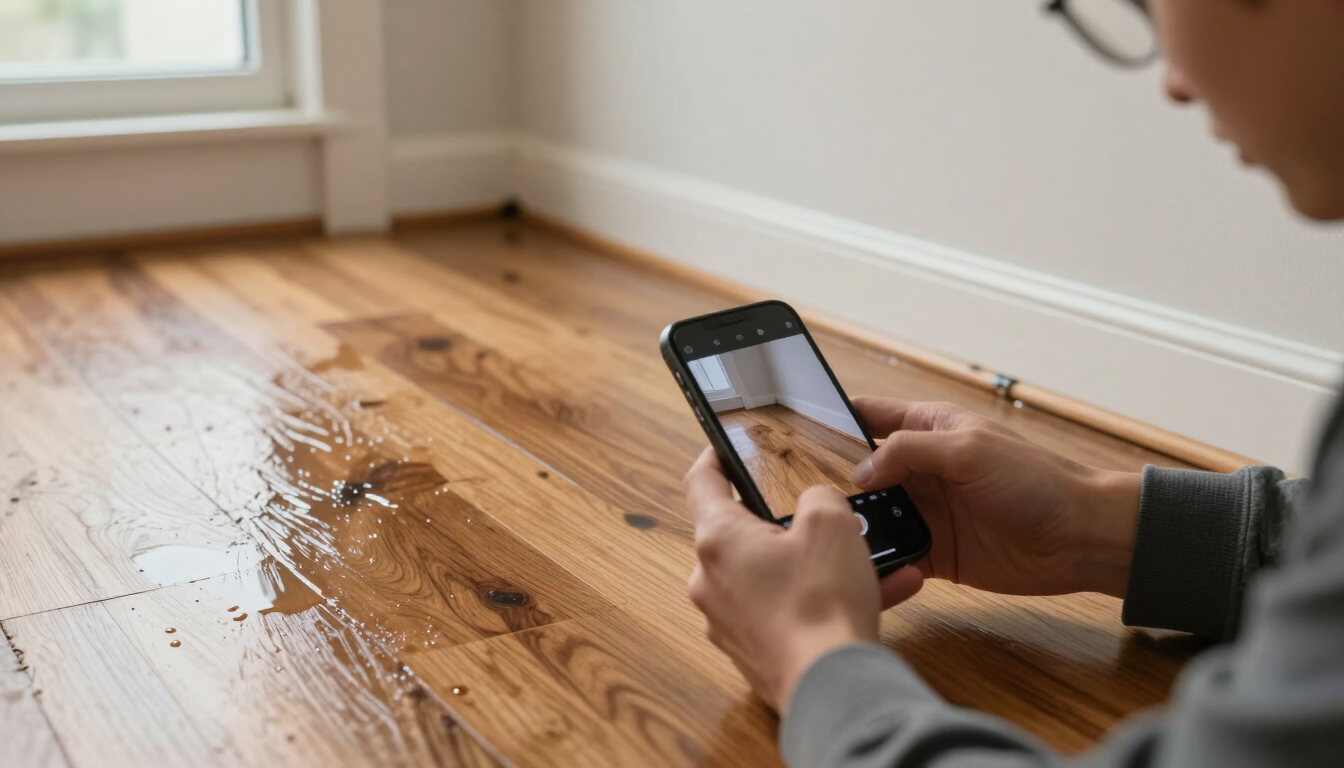
Home water damage documentation after a burst pipe

Why is professional drying important?

Water can move behind baseboards, under flooring, inside cabinets, and into wall or ceiling cavities. These areas may remain damp after visible puddles disappear. Without appropriate drying, moisture can contribute to swelling, odors, microbial growth, damaged materials, and more extensive repairs.

Professional drying typically involves assessing affected areas, identifying moisture that cannot be seen, and selecting appropriate equipment and methods for the materials involved. The goal is not simply to remove surface water. It is to reduce trapped moisture and help prevent secondary damage.

This is why household towels, fans, or a shop vacuum may not be enough. Do not attempt DIY extraction, open walls, remove insulation, or perform contamination checks yourself. Unknown water may contain harmful contaminants, and damaged building materials can create additional risks when disturbed.

Which water damage should you avoid handling yourself?

Stay away from water when its source or cleanliness is uncertain. Do not handle water that may have contacted sewage, chemicals, fuel, floodwater, or other contaminants. Also avoid entering areas with structural damage, sagging ceilings, exposed wiring, or strong odors.

Leave potentially contaminated materials in place unless a qualified professional gives you different instructions. Keep pets and children away, and tell the restoration professional what you know about the source of the water.

A frozen or burst supply pipe does not automatically mean the water is safe to handle throughout the affected area. Building materials can also become unsafe after prolonged saturation.

How do insurance questions fit into the process?

Coverage depends on your policy, the cause of the loss, exclusions, deductibles, and the facts of the incident. Contact your own insurance agent or carrier with coverage questions. Do not assume that a particular repair, replacement, or service will be covered.

When speaking with your agent, have your photos, timeline, plumber information, and restoration records available. Ask what documentation they need and whether they want to inspect the damage before certain materials are removed. Follow the instructions provided by your own carrier.

A restoration company can focus on assessing and addressing water damage, but your insurance coverage decisions belong to you and your insurance professional.

What should you expect from water damage restoration?

After the plumbing source is controlled and the site is safe, a restoration professional can evaluate the affected areas and develop a drying plan. Depending on the situation, the work may include:

  • Inspecting visible and concealed moisture
  • Identifying affected materials and rooms
  • Removing standing water when appropriate
  • Setting professional drying equipment
  • Monitoring moisture during the drying process
  • Recommending repairs or removal of materials that cannot be restored

The exact process depends on the source, extent, duration, and type of water involved. Ask questions about what areas were assessed, what equipment is being used, and what conditions will indicate that drying is complete.

For broader property protection needs, you can also explore Suntide Companies’ restoration services or return to the home page to learn more about the company.

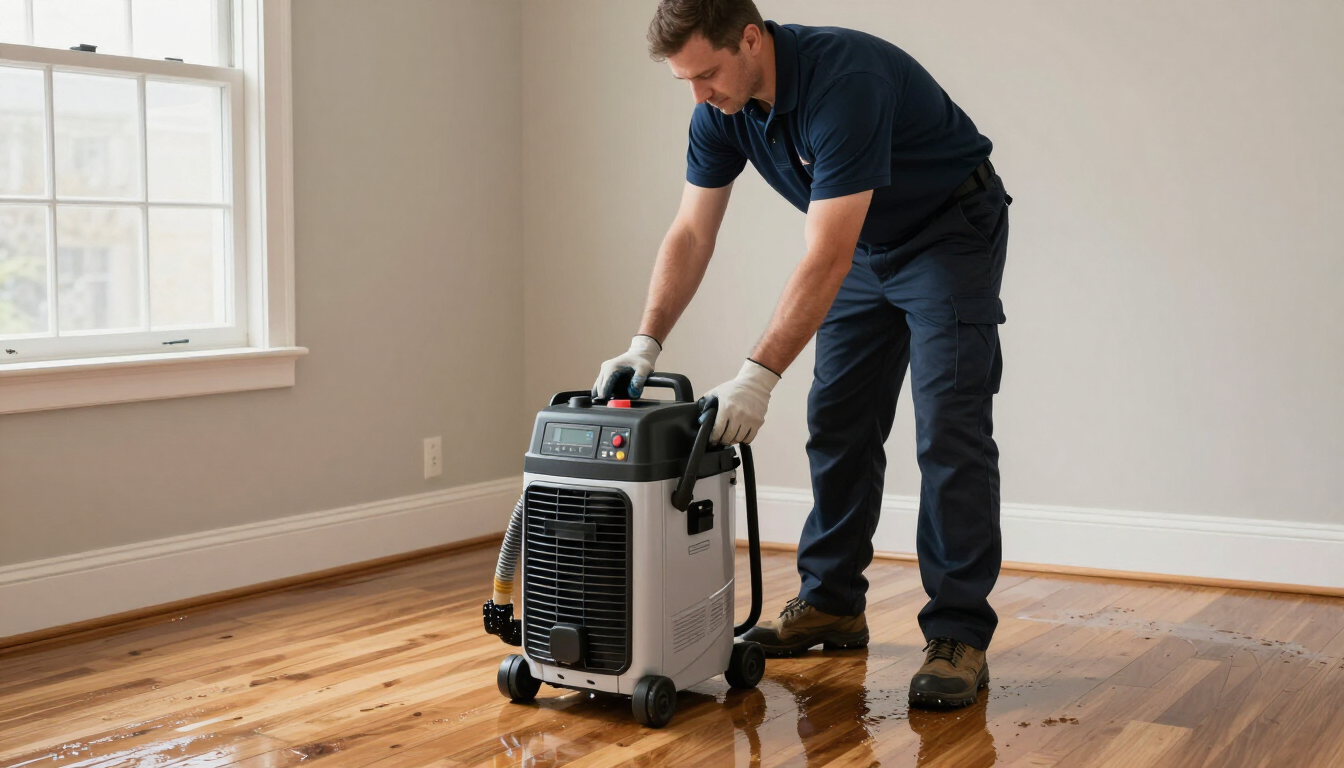
Professional water damage drying equipment in a St. Louis home

What should a St. Louis homeowner do next?

If a burst or frozen pipe is affecting your home now, prioritize safety: stay out of areas where water is near electricity, shut off the main valve only when safe, and call a plumber to address the pipe. Photograph the damage from a safe location and contact your own insurance agent for coverage questions. Then contact Suntide Companies for water damage restoration. Professional drying can help address hidden moisture and limit secondary damage that may continue after visible water is gone. Do not attempt extraction or contamination checks yourself. Contact Suntide Companies to discuss the next step for your property.

Recent Posts

Commercial disaster restoration plan for a St. Louis property
By Samantha Boylls • October 12, 2026
Learn what a commercial disaster restoration plan covers, from risk reviews and property records to response contacts and downtime reduction for St. Louis facilities.
How to prevent ice dams on a St. Louis home before winter
By Samantha Boylls • October 5, 2026
Learn how to prevent ice dams in St. Louis by understanding freeze-thaw cycles, attic heat, insulation, ventilation, and warning signs before winter.

A beautifully renovated modern interior living space showing the results of strategic planning.
September 28, 2026
Discover why interior remodeling in winter and fall is a strategic move for homeowners. Learn about planning, scoping, and how to manage your home renovation.

Contractor performing roof damage documentation inspection on a residential roof
September 21, 2026
Learn what professional roof damage documentation looks like. From photo evidence to technical scopes, see how Suntide Companies helps St. Louis homeowners prepare for claims.

Facility manager reviewing a commercial restoration plan on a tablet.
September 14, 2026
Ensure business continuity with a commercial disaster restoration plan. Learn why proactive planning in Q4 leads to better facility resilience and operational stability.

A professional view of a well-maintained residential roof during the autumn season.
September 7, 2026
Discover what happens during a professional fall roof inspection. Learn how to spot issues from the ground and why pre-winter maintenance protects your home.

A St. Louis home after a storm showing the need for roof evaluation.
August 24, 2026
Learn how St. Louis homeowners can calmly evaluate roofing contractors after storm damage. Discover what documentation to ask for and why you shouldn't rush the process.

Modern commercial building in St. Louis showing architectural detail.
August 17, 2026
Learn what a commercial disaster restoration plan covers and why St. Louis facility leads should document systems and decision-makers before a loss.
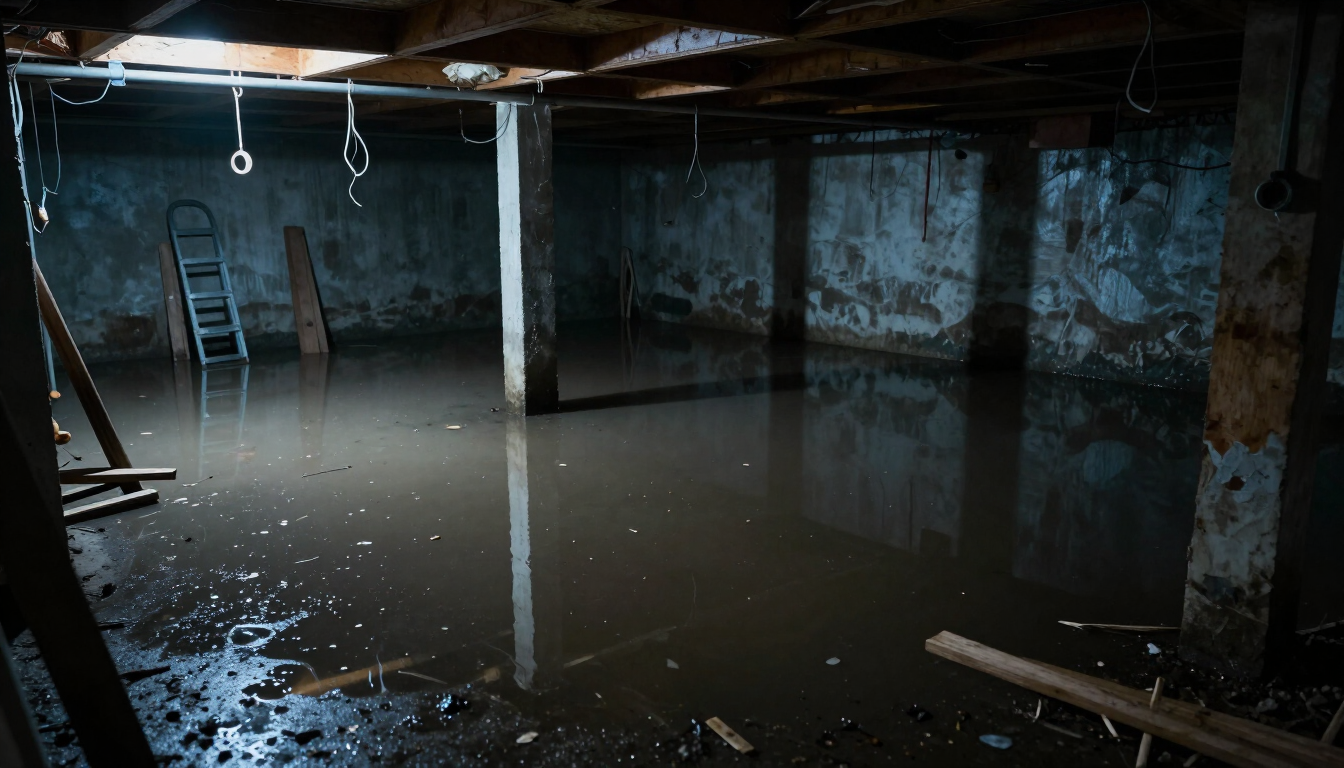
Flooded St. Louis basement after a heavy summer storm.
August 10, 2026
Dealing with a flooded basement in St. Louis after a summer storm? Follow these critical safety steps, document damage, and call for professional extraction.
A professional contractor holding a detailed technical roof report outdoors.
August 3, 2026
Learn the boundaries of a roofing contractor's role in insurance claims, from documenting damage to providing a technical scope of work in St. Louis.

Show More