
Contractor's Role in Insurance Claims: 2026 Guidelines

August 3, 2026

Share this article

A roofing contractor’s role in a property insurance claim is to provide technical expertise through damage documentation and a detailed repair scope. They act as a professional resource by meeting the adjuster on-site and answering construction-related questions to ensure all physical damage is accurately identified for the carrier.

Navigating the aftermath of a storm can feel overwhelming. Whether it was a sudden hail event in St. Louis or high winds that left shingles scattered across your yard, the process of restoring your property usually involves your insurance carrier. For many homeowners, the first call is to a trusted roofing professional. However, there is often confusion about exactly where a contractor’s job begins and ends when an insurance claim is involved. It is essential to understand that while your contractor is a vital ally in the restoration process, their role is defined by technical expertise and physical documentation rather than legal representation or financial adjustment.

At Suntide Companies, we believe that transparency is the key to a successful project. By understanding the specific boundaries of a contractor's role, you can better navigate your claim with confidence. We focus on being the technical eyes on the ground, ensuring that every damaged component of your roof or exterior is accounted for in a professional, detailed manner.

What is a contractor's role in insurance claims?

The primary function of a contractor during a property insurance claim is to act as a subject matter expert on construction and restoration. When you suspect damage, your contractor performs an initial inspection to determine the condition of the property. This isn't just about looking at shingles; it’s about understanding the entire building envelope. From the flashing around your chimney to the integrity of the underlayment, a professional contractor identifies what is broken, what is worn, and what needs to be replaced to bring the property back to its pre-storm condition.

In this capacity, the contractor serves the property owner by providing a clear, itemized picture of the physical reality. They use their years of experience to spot subtle signs of hail impact or wind uplift that a layperson might miss. This technical assessment is the foundation of the entire claim process. Without a professional eye to document these details, important structural issues might be overlooked, leading to long-term problems like leaks or wood rot. By focusing strictly on the construction requirements, the contractor provides the data needed for the insurance company to make their coverage decisions.

Documenting storm damage for the record

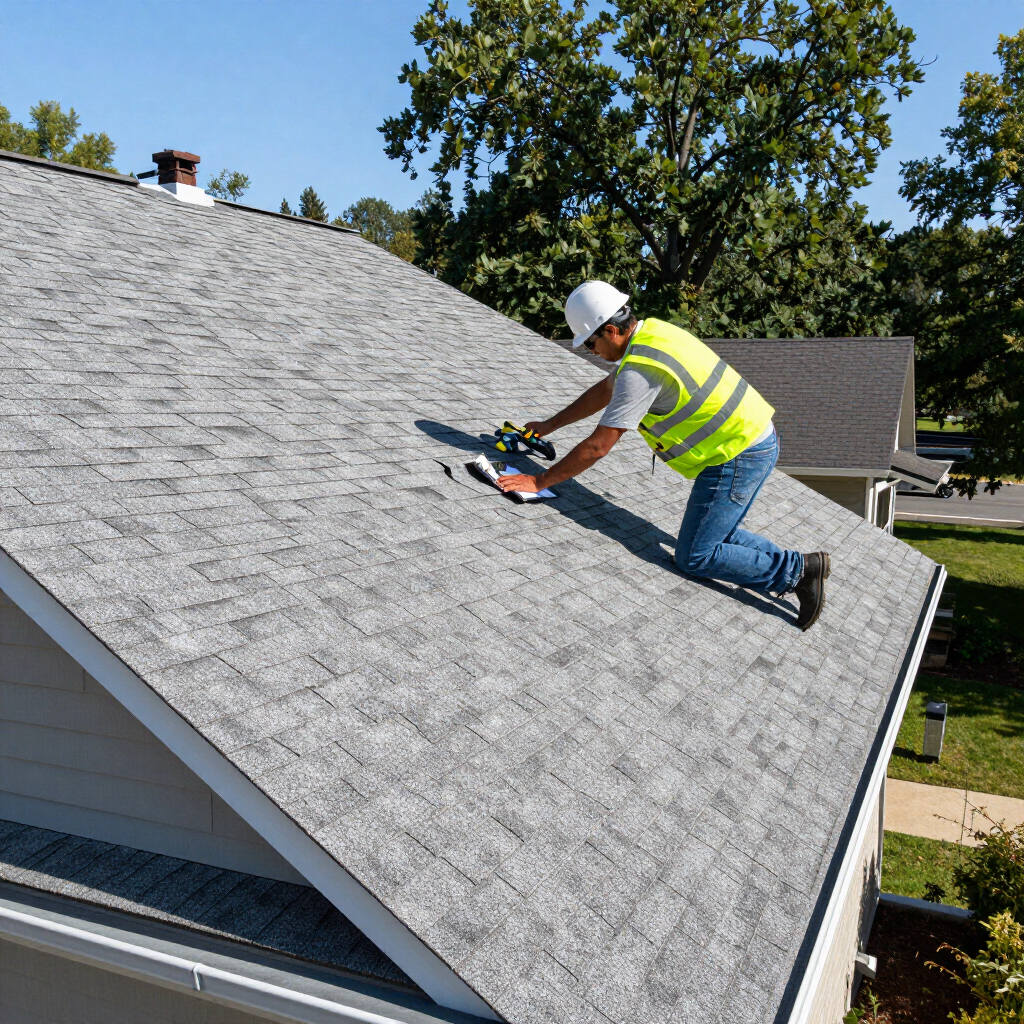
Documentation is perhaps the most critical task a contractor performs. In 2026, this goes far beyond just taking a few grainy photos. A comprehensive restoration professional will use high-resolution imagery, drone technology, and digital measurements to create a undeniable record of the property's state. This documentation includes:

  • Detailed close-up photos of hail bruises on shingles.
  • Overview shots showing the patterns of wind damage.
  • Measurements of the roof facets, ridges, and valleys.
  • Documentation of collateral damage to gutters, siding, and soft metals.
  • Notes on any building code requirements that affect the repair method.

By creating this detailed record, the contractor ensures that the property owner has a professional file to share with their insurance carrier. This record is not an "adjustment" of the claim; it is simply a collection of facts regarding the physical state of the building. When the contractor identifies these issues, they are providing a service that helps the insurance company understand the full scope of the loss. It is this commitment to detail that separates a high-quality contractor from a general laborer.

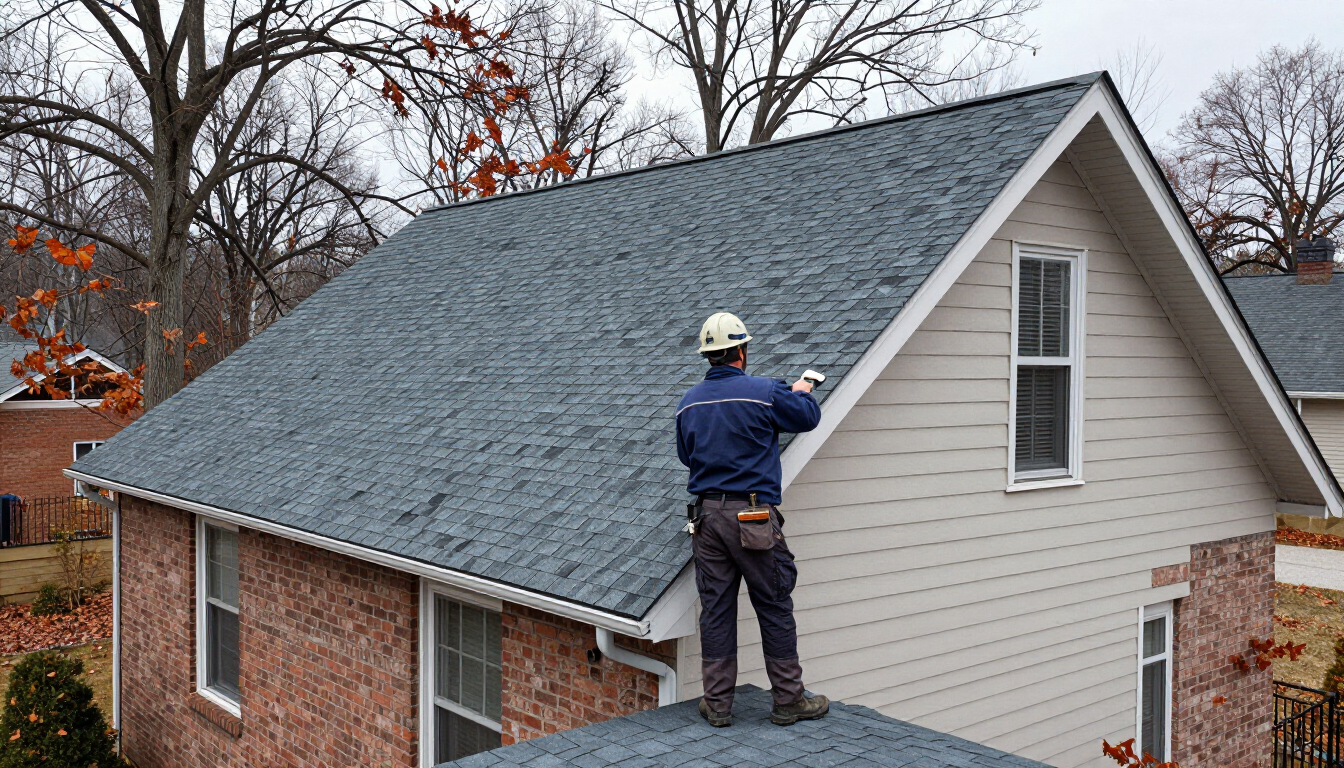
Roofing Inspection

How does a contractor support the site inspection?

Once a claim is filed, the insurance company will typically send out an adjuster to verify the damage. One of the most helpful things a contractor can do is be present during this site inspection. The contractor’s role here is to facilitate the process by sharing their findings. Because the contractor has already spent time on the roof documenting the issues, they can point out specific areas of concern to the adjuster, ensuring that nothing is missed during the walk-through.

This meeting is a collaborative technical exchange. The adjuster and the contractor often speak the same "language" when it comes to construction terminology. By being on-site, the contractor can answer technical questions about the type of shingle currently installed, the condition of the decking underneath, or the specific challenges posed by the roof's geometry. This helps the adjuster create a more accurate report for the insurance company. It is not about arguing; it is about ensuring that two sets of professional eyes are looking at the same damage at the same time.

Technical scope and material specifications

After the damage has been identified, the contractor prepares a detailed scope of work. This document outlines exactly what materials and labor are required to perform the residential roofing or restoration project. A professional scope is highly specific. It doesn't just say "replace roof." Instead, it breaks down the project into its component parts:

  1. Removal and disposal of existing roofing materials.
  2. Installation of ice and water shield in critical areas like eaves and valleys.
  3. Replacement of damaged flashing and ventilation systems.
  4. Application of new shingles that meet local building codes.
  5. Cleanup and final safety inspection of the property.

This scope is based on current market rates for materials and labor in the St. Louis area. It provides a realistic estimate of what the actual restoration will cost. By providing this detailed technical scope, the contractor helps the property owner understand the complexity of the job. This information is also useful for the insurance carrier, as it provides a professional benchmark for the cost of repairs based on industry-standard construction practices.

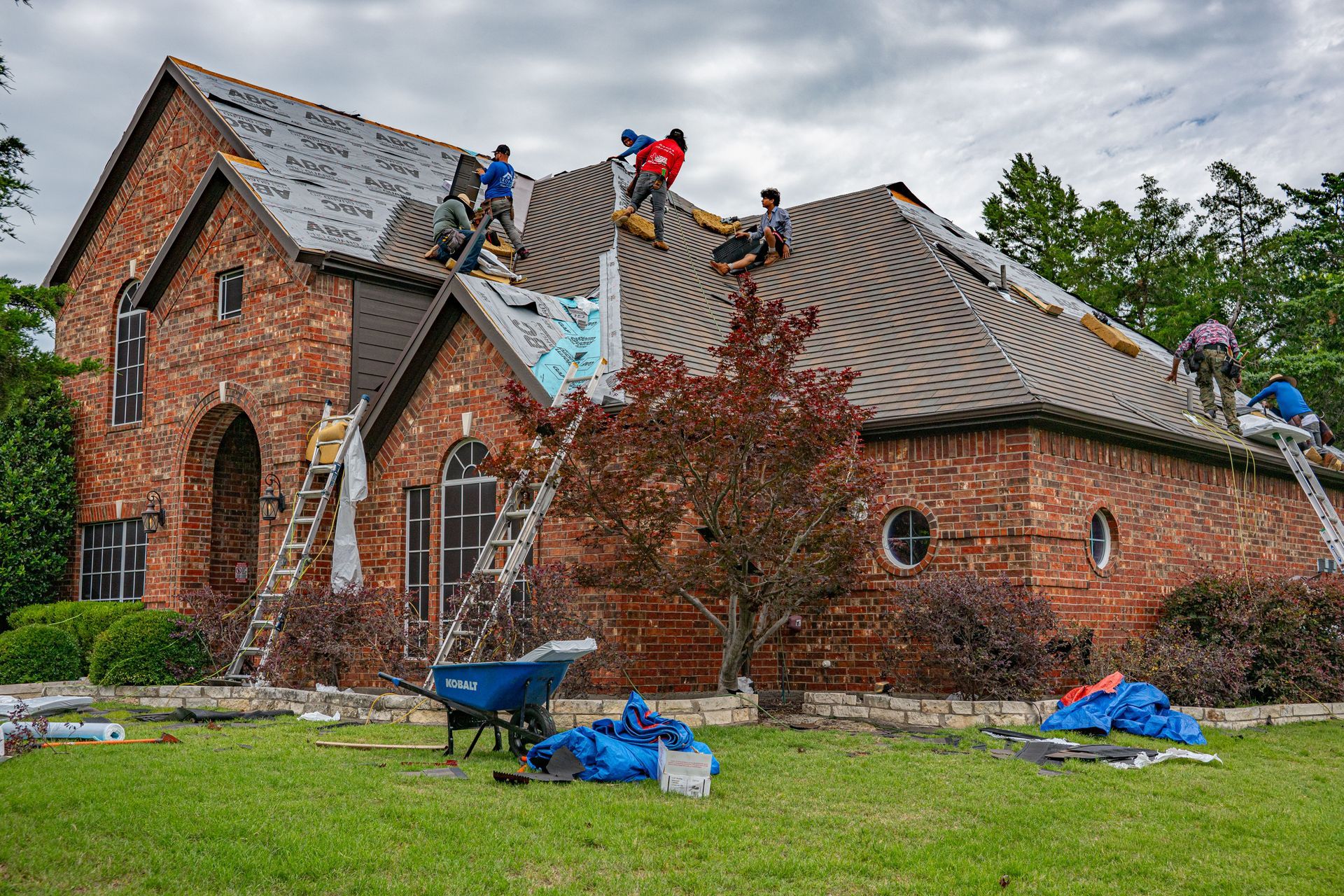
Contractor and Homeowner

What can a contractor not do during a claim?

It is just as important to know what a contractor cannot do. Legal and ethical boundaries are very clear in the restoration industry. A roofing contractor is not an insurance adjuster and is not a public adjuster. This means there are several things they are strictly prohibited from doing. A contractor cannot negotiate the terms of your insurance policy or settle the claim on your behalf. Those are matters between you and your insurance carrier.

Furthermore, a contractor should never offer to "handle" your deductible or provide discounts that are designed to offset your out-of-pocket responsibilities. These practices can be considered insurance fraud in many jurisdictions. A reputable company like Suntide Companies will always focus on the quality of the work and the accuracy of the documentation, rather than trying to manipulate the financial outcome of the claim. We do not provide legal advice regarding your coverage, nor can we guarantee that a claim will be approved or specify exactly when payment will be made. Our focus remains entirely on the physical restoration of your home.

Understanding the professional boundaries

The distinction between the roles of the adjuster and the contractor is vital for a smooth experience. The insurance adjuster is responsible for interpreting your policy and determining what is covered under the terms of your contract with the insurance company. The contractor is responsible for the physical execution of the repairs and the technical documentation of the damage. While they work alongside each other, their responsibilities do not overlap.

When you work with a professional contractor, you are hiring a construction expert, not a legal representative. By keeping these roles separate, you protect yourself and ensure that your claim is handled with integrity. Your contractor's value lies in their ability to build a roof that lasts and to provide the technical data that shows exactly why that roof needs attention. This clarity allows the insurance process to move forward based on facts and professional standards.

Summary of the Contractor's Role

Navigating a property insurance claim requires a clear understanding of the professional boundaries involved. A roofing contractor is your technical expert, providing the necessary documentation and repair scopes to ensure your property is restored correctly. They are there to support the process through expertise, not to manage the financial or legal aspects of the claim. By focusing on high-quality documentation and professional site meetings, a contractor ensures that the physical reality of the damage is accurately represented.

If you believe your property has sustained storm damage, the best first step is to get a professional technical assessment. We invite you to reach out for a thorough inspection to document the condition of your roof.

  • Documentation: We provide high-resolution photos and technical notes.
  • Technical Scope: We create an itemized list of required repairs and materials.
  • Adjuster Support: We meet on-site to answer technical questions during the inspection.
  • Code Compliance: We identify necessary updates to meet local building standards.
  • Professionalism: We maintain strict boundaries to ensure an ethical process.

For a detailed inspection and a professional scope of work for your property, please visit our Contact page to schedule a visit from our team.

Recent Posts

A professional view of a well-maintained residential roof during the autumn season.
September 7, 2026
Discover what happens during a professional fall roof inspection. Learn how to spot issues from the ground and why pre-winter maintenance protects your home.
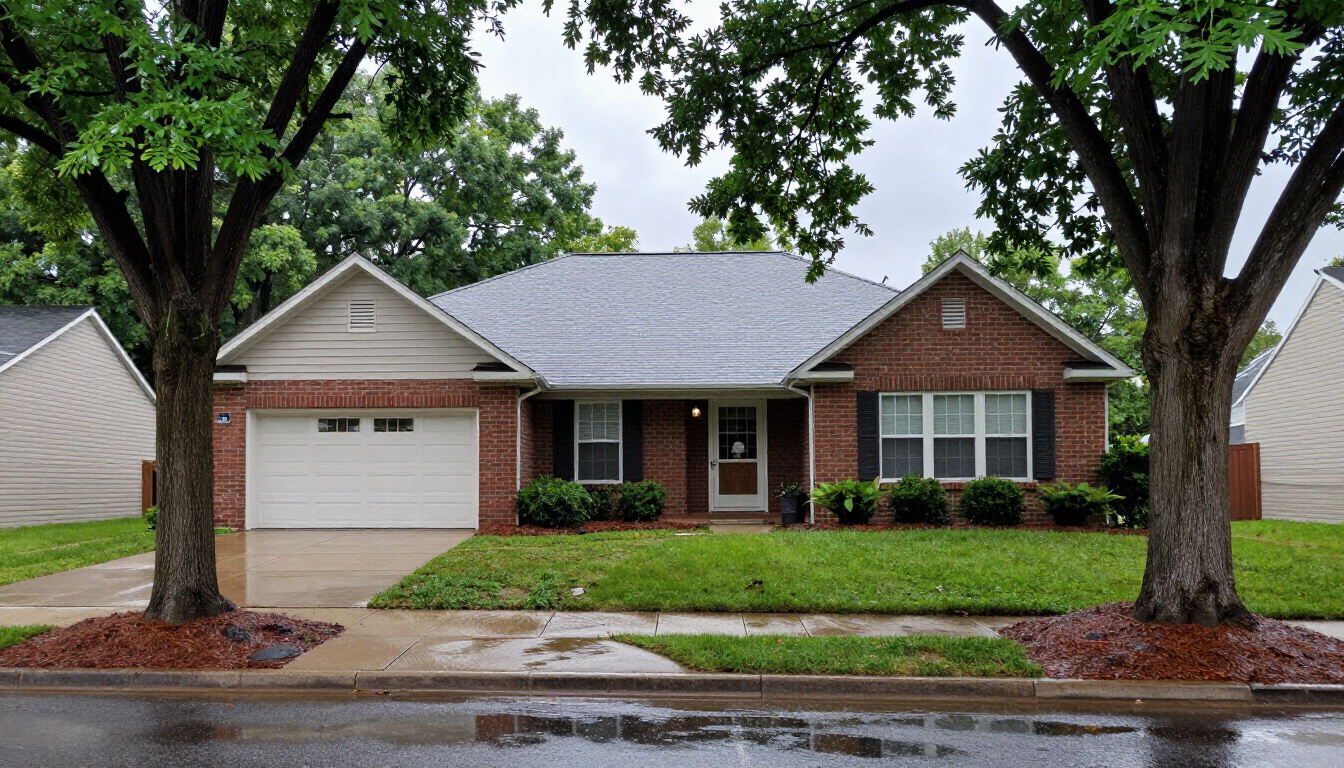
A St. Louis home after a storm showing the need for roof evaluation.
August 24, 2026
Learn how St. Louis homeowners can calmly evaluate roofing contractors after storm damage. Discover what documentation to ask for and why you shouldn't rush the process.
Modern commercial building in St. Louis showing architectural detail.
August 17, 2026
Learn what a commercial disaster restoration plan covers and why St. Louis facility leads should document systems and decision-makers before a loss.
Flooded St. Louis basement after a heavy summer storm.
August 10, 2026
Dealing with a flooded basement in St. Louis after a summer storm? Follow these critical safety steps, document damage, and call for professional extraction.

Commercial building roofing options in St. Louis
July 27, 2026
Learn how St. Louis commercial property owners weigh TPO, metal, and architectural shingle roofing systems based on slope, building use, and long-term goals.
Home renovation planning blueprints on a wooden table with natural lighting.
July 20, 2026
Scoping a St. Louis home remodel? Learn how to plan your project, ask the right contractor questions, and why summer starts are best for exterior work.
A professional real estate sign in front of a St. Louis house during summer.
July 13, 2026
Learn how roof condition impacts home sales in St. Louis this summer. Explore inspection tips, repair vs. replacement advice, and why a pre-listing assessment is vital.
Summer sun shining over a residential St. Louis neighborhood with focus on rooftops.
July 6, 2026
Learn how St. Louis summer humidity and poor attic airflow impact your home. Identify warning signs like ceiling stains and musty odors before they cause damage.
St. Louis home under reconstruction by Suntide Companies after storm damage
June 29, 2026
Explore expert St. Louis construction and rebuilding services. From disaster restoration to remodeling, Suntide Companies delivers quality for Missouri homes.
Professional roof inspection by Suntide Companies in St. Louis
June 29, 2026
Learn the top 5 signs it's time for a roof replacement in St. Louis. From storm damage to age, discover when to call Suntide Companies for a free estimate.
Show More