5 Signs You Need a Roof Replacement in St. Louis
A roof replacement is necessary when the cost of recurring repairs exceeds the value of the roof or when structural integrity is compromised. Key indicators include shingles that are missing or curling, persistent interior leaks, visible storm damage, and roofing materials exceeding twenty to thirty years of age.
When should you consider a full roof replacement?
Deciding between a simple patch job and a complete overhaul is one of the most significant financial decisions a homeowner in St. Louis will face. While a few missing shingles after a windy afternoon might only require a quick fix, chronic issues usually point toward a systemic failure of the roofing system. At Suntide Companies , we often tell our clients that a roof is more than just the top layer of shingles; it is a complex system involving underlayment, flashing, decking, and ventilation. When multiple components of this system begin to fail simultaneously, a roof replacement becomes the most cost-effective long-term solution.
St. Louis weather is notoriously unpredictable. From heavy spring rains to scorching summer heat and freezing winter cycles, your roof is under constant thermal expansion and contraction. This stress eventually fatigues the materials. If you find yourself calling for roofing repairs every time a thunderstorm rolls through the Gateway City, you are likely throwing good money after bad. A new roof provides not only peace of mind but also improved energy efficiency and enhanced curb appeal that can significantly increase your property value.
Visible warning signs on your shingles
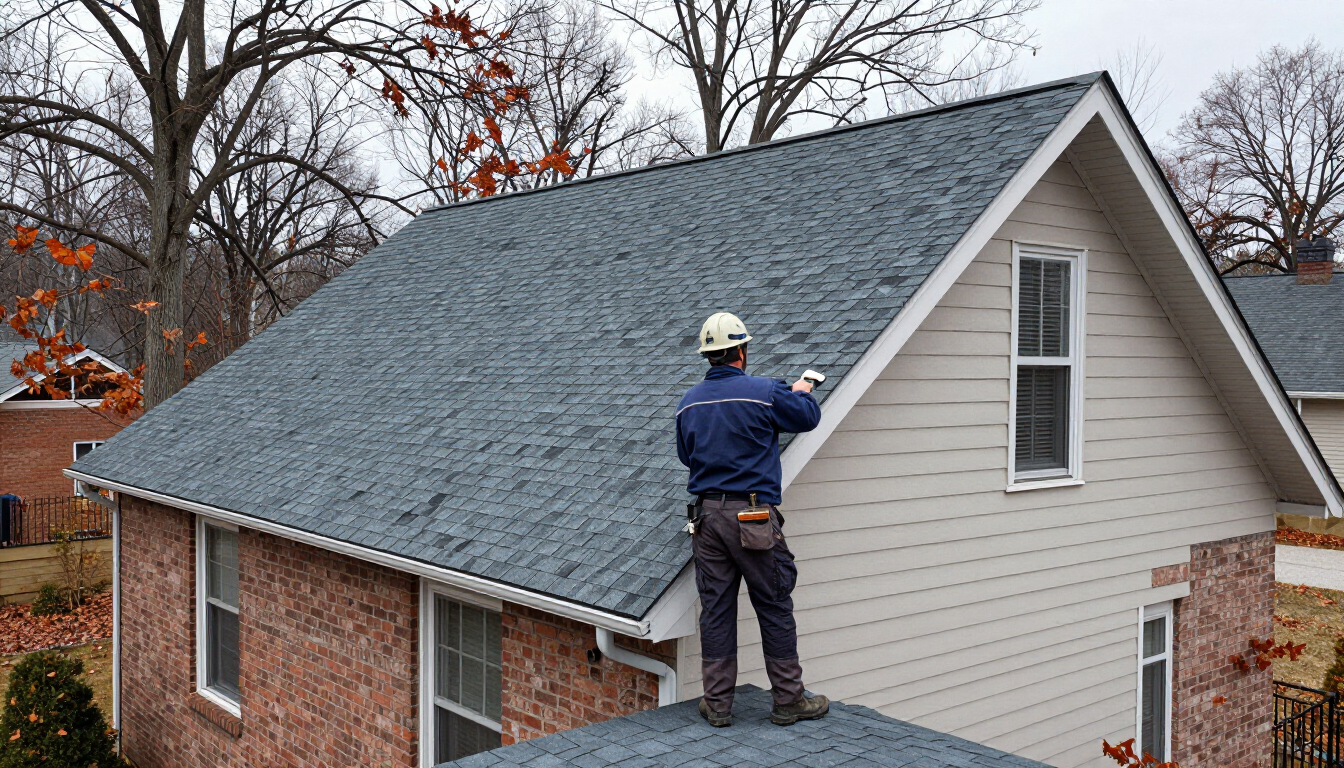
One of the easiest ways to determine if you need a new roof is to simply look up. You don't necessarily need to climb a ladder to see the most obvious red flags. Binoculars can be a great tool for a safe ground-level inspection.
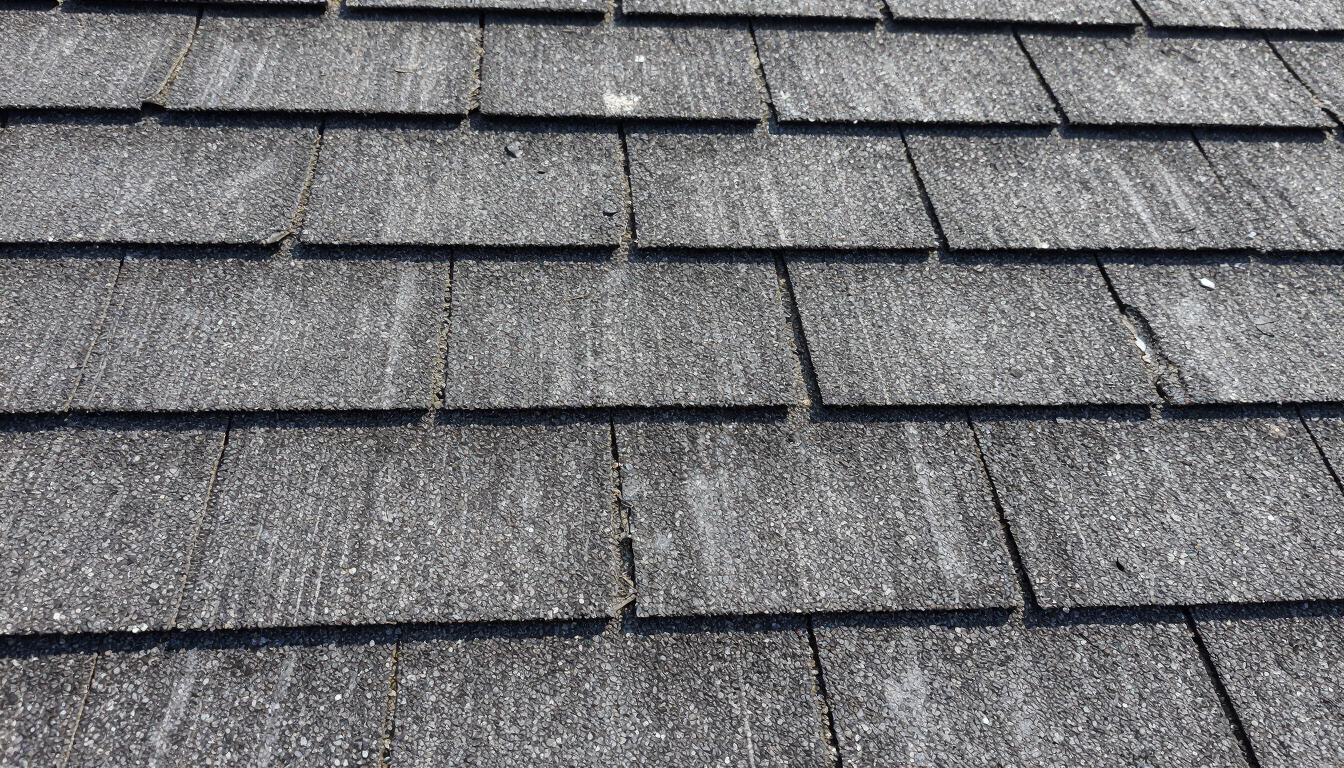
- Curling or Cupping: When shingles age, they lose their flexibility. You might see the edges turning upward (cupping) or the middle bulging (curling). This leaves the underlayment exposed to water.
- Missing Shingles: High winds can rip shingles away, especially if the adhesive seal has failed due to age. While one or two can be replaced, large patches of missing shingles suggest a widespread failure.
- Granule Loss: Check your gutters and downspouts. If you see what looks like coarse black sand, those are the protective granules from your shingles. Without them, the asphalt core is exposed to UV rays and will degrade rapidly.
- Cracked Shingles: Thermal shock—the rapid change from hot to cold—causes shingles to crack. Once a shingle is cracked, it can no longer shed water effectively.
- Moss or Algae Growth: While algae (the black streaks) is often cosmetic, moss holds moisture against the roof surface, leading to rot in the wooden decking beneath.
How does recurring leakage affect your home's structure?
A single leak might be an isolated incident caused by a popped nail or a loose piece of flashing. However, if you are dealing with recurring leaks in different areas of your home, the problem is likely deep-seated. Water is persistent; it follows the path of least resistance, which means a leak appearing in your living room ceiling might actually originate ten feet away on the roof.
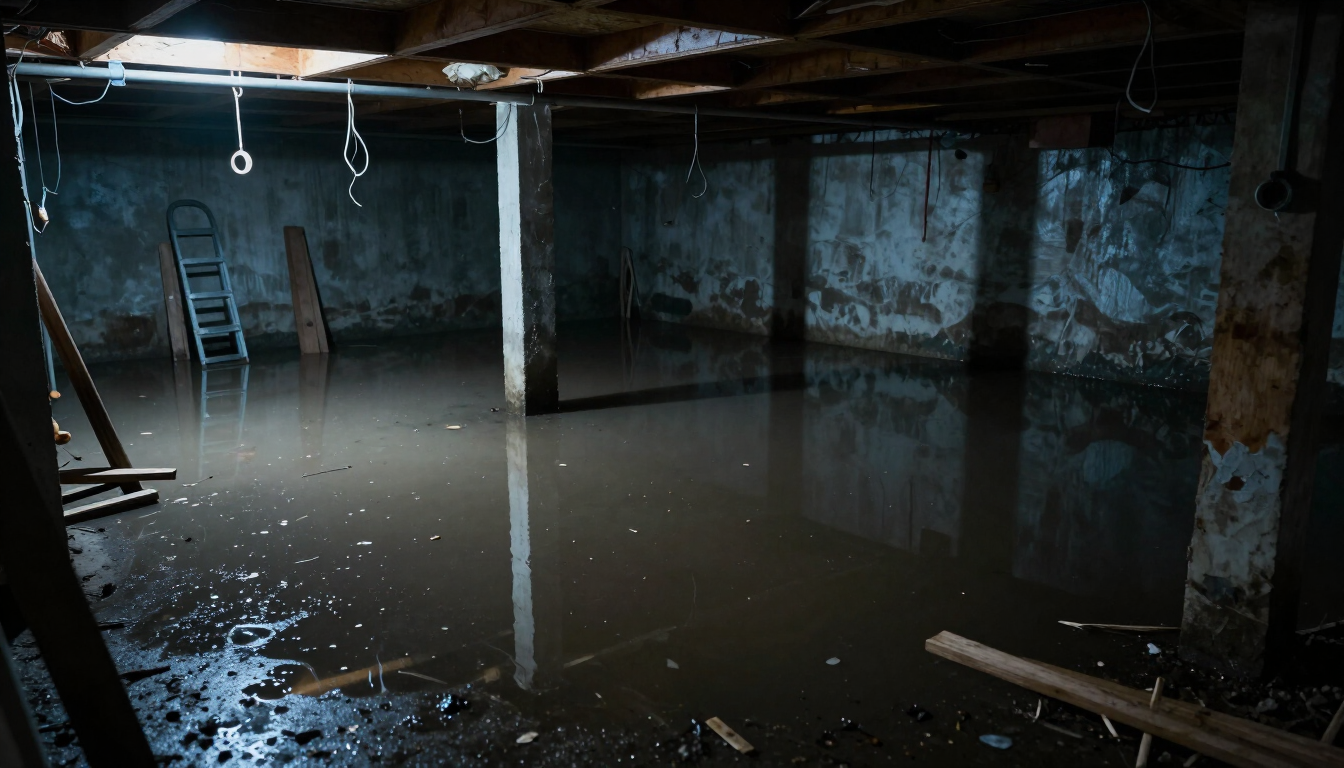
When water penetrates the outer layer, it begins to soak the wooden roof deck. Over time, this moisture leads to wood rot, which weakens the structural integrity of your home. If the decking becomes soft or "spongy," a simple residential roofing repair is no longer an option. The entire surface must be stripped, the wood replaced, and a new system installed. Beyond the wood, moisture leads to mold and mildew in the attic, which can pose significant health risks to your family and degrade your home's air quality. If you see dark spots on your ceiling or notice a musty smell in your upper floors, it’s time to call in the pros for a thorough inspection.
Why age is the most common reason for a new roof
Every roofing material has a biological clock. In the St. Louis region, the lifespan of a roof is heavily influenced by the quality of the initial installation and the materials used.
- Asphalt Shingles: Typically last 20 to 25 years. If your roof was installed over an existing layer of old shingles (a "re-roof"), that lifespan could be as short as 15 years.
- Architectural Shingles: These are thicker and more durable, often lasting 30 years or more with proper maintenance.
- Metal Roofing: Known for longevity, these systems can last 50 years or longer, though they still require maintenance on fasteners and seals.
- Tile and Slate: These can last a century, but they are heavy and require a reinforced structure.
If your neighbors are all getting new roofs, it’s a good sign that your neighborhood's original builds are reaching their expiration date. Even if a roof looks "okay" from the street, shingles that are 20 years old have likely lost their ability to withstand high winds and impact. Proactive replacement is always cheaper than reactive emergency restoration after a total failure during a storm.
Does poor attic ventilation ruin your roofing materials?
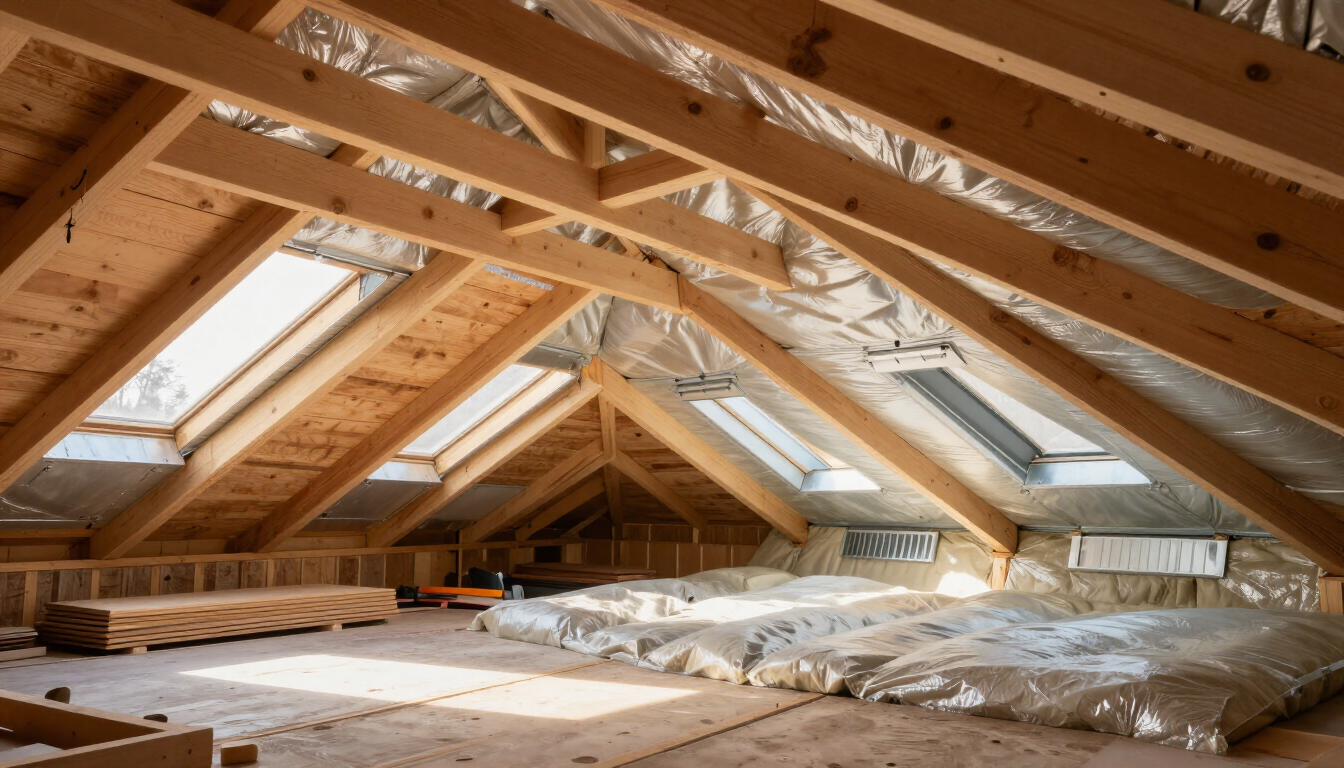
Many homeowners are surprised to learn that the biggest threat to their roof doesn't come from the outside, but from the inside. Proper attic ventilation is critical to the longevity of your roofing system. A roof needs to "breathe" to balance the temperature between the attic and the outdoor environment.
In the summer, an unventilated attic can reach temperatures upwards of 150 degrees Fahrenheit. This intense heat effectively "bakes" your shingles from the inside out, causing them to become brittle and fail prematurely. In the winter, poor ventilation leads to moisture buildup from household activities like showering and cooking. This warm, moist air rises into the attic, condenses on the underside of the roof deck, and causes rot and mold. Furthermore, poor ventilation is the primary cause of ice dams. When heat escapes into the attic, it melts the snow on the roof, which then refreezes at the colder eaves, trapping water under the shingles. If you notice your energy bills skyrocketing or see icicles forming frequently, your ventilation—and your roof—may be at risk.
Identifying storm damage after a St. Louis weather event
St. Louis is right in the heart of hail and wind country. After a major storm, it is vital to have your roof inspected by a specialist in restoration . Storm damage isn't always as obvious as a fallen tree limb or a hole in the roof.
- Hail Impact: Hail can bruise the asphalt matting of a shingle. These small indentations might not leak immediately, but they knock off the protective granules, leading to rapid deterioration within a year or two.
- Wind Uplift: High winds can lift shingles just enough to break the sealant bond. Even if the shingle lays back down, it is no longer water-tight and will likely blow off in the next storm.
- Flashing Damage: Chimneys, vents, and valleys are sealed with metal flashing. Hail can dent this metal, and wind can pull it away, creating direct entry points for water.
If your property has been hit by a storm, the window for filing an insurance claim is limited. Suntide Companies specializes in helping homeowners navigate the complexities of storm damage assessments. We provide the documentation and expertise needed to ensure your roof is restored to its pre-storm condition, protecting your investment for years to come.
How to calculate if repair costs are too high?
At what point does a repair stop being a smart fix? We recommend using the "Rule of 50." If a repair costs more than 50% of the value of a new roof, or if you have repaired more than 50% of the roof's surface area over the last few years, it is time for a replacement.
Another factor is the frequency of repairs. If you are paying $500 to $1,000 every year to fix minor leaks, you have spent $5,000 over five years—money that could have been a significant down payment on a brand-new roof with a 30-year warranty. Additionally, consider the "patchwork" look. Using new shingles on an old roof rarely results in a perfect color match, which can negatively affect your home's resale value. When you opt for a full roof replacement , you get a uniform look and a comprehensive warranty that covers both materials and labor.
Why St. Louis homeowners trust Suntide Companies
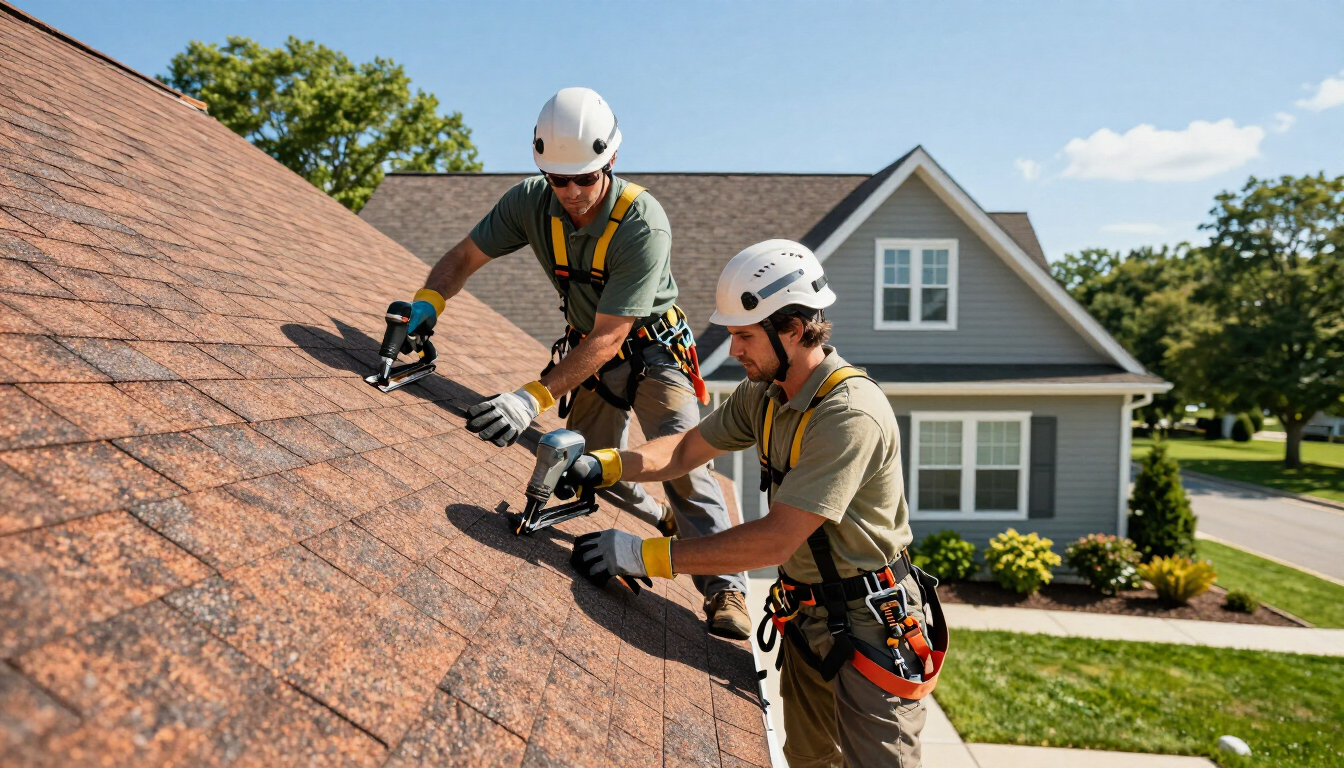
Choosing the right contractor is just as important as choosing the right materials. Suntide Companies has built a reputation in St. Louis for being a trusted partner in roofing, restoration, and construction . We understand the local building codes, the specific challenges of our climate, and the importance of timely, reliable service.
When you work with us, you aren't just getting a crew on your roof; you're getting a team of experts who treat your home like their own. We provide a detailed assessment of your roof's current health, helping you decide whether a repair is sufficient or if a replacement is the safer, more economical choice. Our commitment to quality craftsmanship ensures that your new roof will stand up to the toughest St. Louis weather for decades.
Summary of when to replace your roof:
- Age: Your roof is over 20-25 years old.
- Visual Damage: Shingles are curling, cracked, or missing entirely.
- Granules: You find excessive amounts of shingle grit in your gutters.
- Leaks: You have recurring water spots on your ceilings or walls.
- Costs: You are spending more on annual repairs than the roof is worth.
Don't wait for a major leak to cause thousands of dollars in interior damage. If you suspect your roof is reaching the end of its life, or if a recent storm has you worried about hidden damage, reach out to the experts at Suntide Companies today.
Ready to protect your home with a roof built to last? Contact us today to schedule your free, no-obligation estimate and experience the peace of mind that comes with professional St. Louis roofing services.